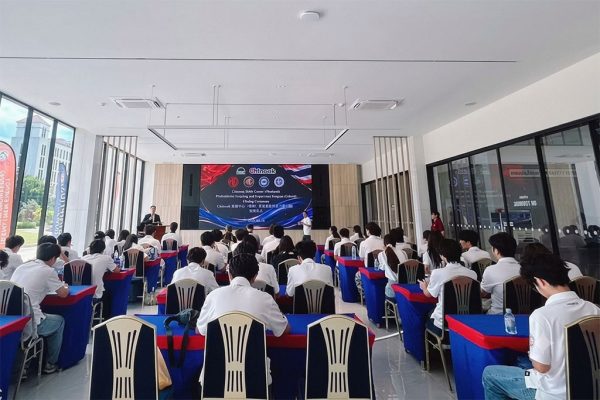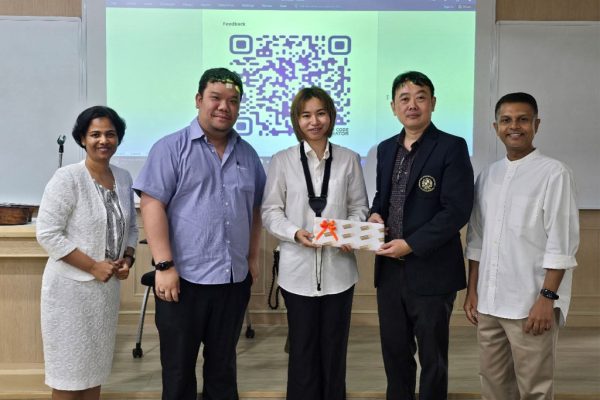






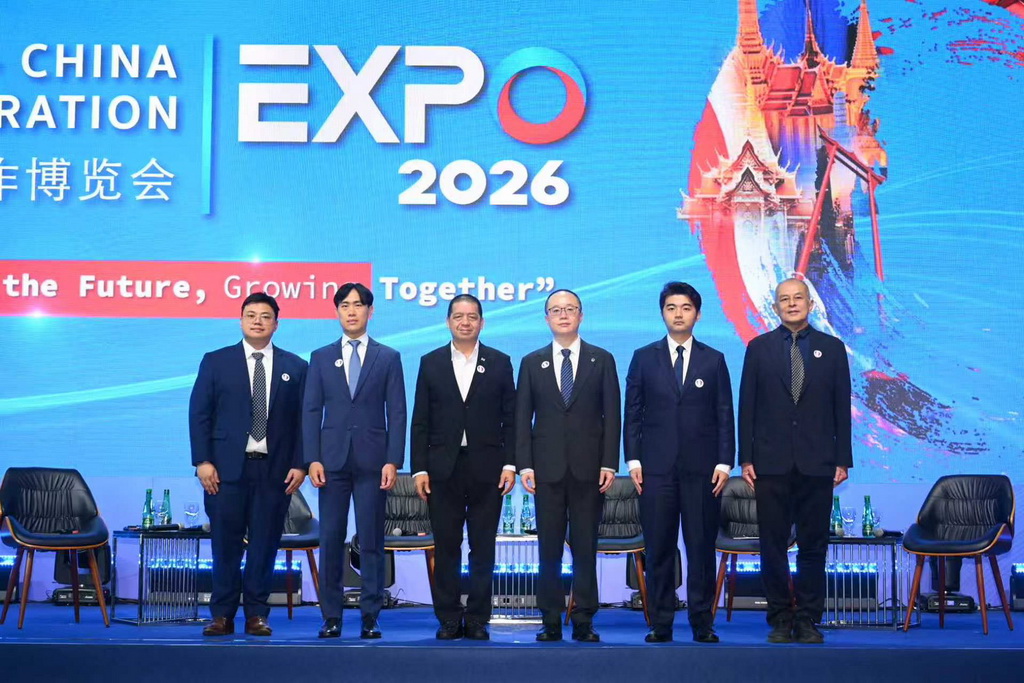
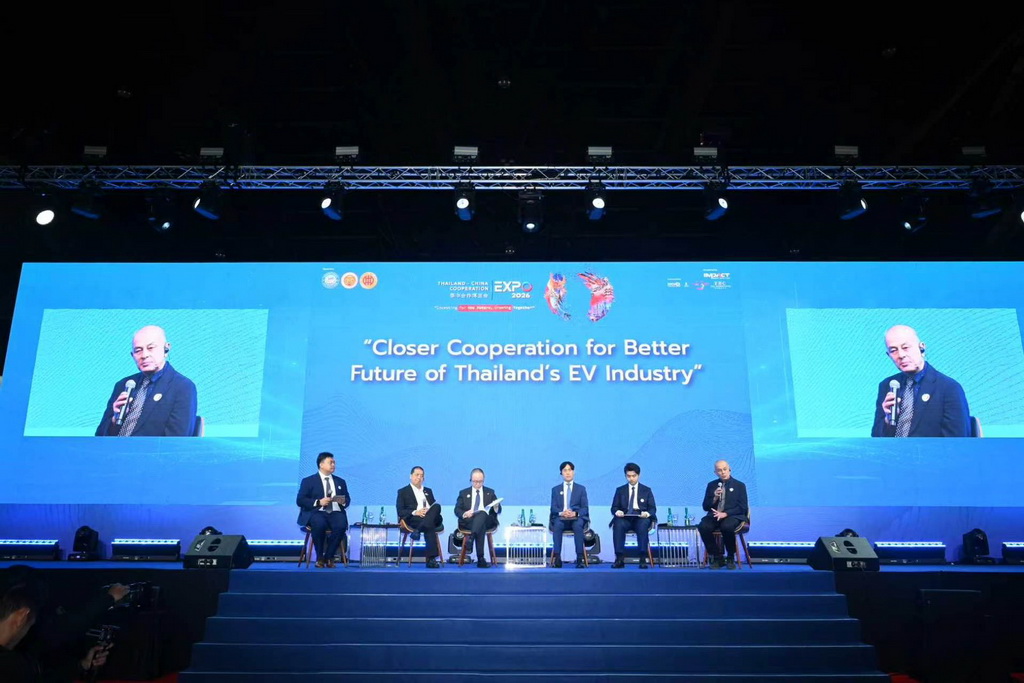
Assumption University of Thailand (AU), the Electric Vehicle Association of Thailand (EVAT) and a network of automotive organizations from China known as China Auto are advancing a strategic framework connecting education, industry and the Thai–Chinese automotive sector.
The initiative aims to promote the exchange of knowledge, technology, research and industry standards while developing the skilled professionals needed for the electric vehicle industry and future mobility technologies.
The collaboration brings together the strengths of all three partners to build an education and workforce development system that responds to the rapid changes taking place across the automotive industry. These include the growth of electric vehicles, digital technologies, automation systems and related innovations.
Connecting Education with Industry
ABAC brings strong capabilities in international education, research and talent development across business, engineering and technology.
Through the collaboration, these strengths will support the development of academic programs, professional training, joint research projects and other industry-linked learning opportunities.
The initiative aims to prepare a new generation of professionals who possess both academic knowledge and skills that can be applied directly in the workplace.
EVAT serves as an important link between the collaboration and Thailand’s wider electric vehicle ecosystem. The association connects stakeholders working in policy, technical standards, technology, industrial development and workforce advancement.
EVAT also maintains strong international relationships, particularly with organizations in China, one of the world’s leading markets for electric vehicles and new mobility technologies.
China Auto represents a network of Chinese automotive and new-energy vehicle organizations, including CATARC and China EV100. These partners will contribute expertise and experience from China’s automotive sector, including knowledge of policy, technical standards, technological development and approaches to industrial growth.
Chinese automotive organizations have also continued to participate in knowledge exchange and cooperation with EVAT and other partners in Thailand.
Preparing Talent for New Mobility
The tripartite collaboration brings education, industry and international cooperation together across several areas.
These include the exchange of knowledge and experts, curriculum and training development, joint research, technology advancement and the sharing of industry standards and emerging automotive trends.
The initiative will also expand opportunities for Thai students, professionals and entrepreneurs to access expertise and networks within China’s automotive industry.
A central objective is the development of human capital for the electric vehicle and new mobility industries.
By aligning academic learning with real industry requirements, the collaboration aims to help students and professionals acquire skills that are increasingly in demand. It is also expected to create opportunities for joint projects, professional training, internships and future career pathways across the mobility sector.
Strengthening Thailand–China Automotive Cooperation
The collaboration reflects the growing importance of Thailand–China relations within the electric vehicle industry.
Cooperation between the two countries continues to expand through investment, technology, manufacturing, supply chains and workforce development.
By connecting an international university, a national professional association and Chinese industry networks, the partnership is expected to provide a long-term mechanism for strengthening Thailand’s automotive capabilities and competitiveness.
All three parties share a vision of building a sustainable platform that moves beyond knowledge exchange and produces practical projects in talent development, research and innovation.
Ultimately, the initiative aims to support Thailand’s ambition to become a major ASEAN hub for electric vehicles and future mobility—supported not only by investment and technology, but also by graduates and professionals prepared to lead the industry forward.
Start Your Automotive Future at ABAC
The Vincent Mary School of Engineering, Science and Technology offers programs for students and professionals interested in electric vehicles, engineering and technological innovation.
Bachelor of Engineering in New Energy Automotive Engineering
The B.Eng. in New Energy Automotive Engineering (NEA) is a 126-credit bachelor’s degree preparing students for careers in electric vehicles, new-energy automotive systems and related engineering fields.
Master of Engineering in Innovation Engineering
The M.Eng. in Innovation Engineering is designed for working engineers seeking to strengthen their professional expertise while responding to emerging industrial and technological needs.
Doctor of Philosophy in Innovation Engineering
The Ph.D. in Innovation Engineering is a three-year doctoral program offering both Type 1.1 and Type 2.1 study tracks.
Applications and Enquiries
LINE: @abacgrad
WhatsApp: @abacgrad1
Telephone: 081-815-1237 or 081-375-1555
AU: +66 2 783 2222 ext. 1244
Email: vmes@au.edu
WRITER : ASSUMPTION UNIVERSITY OF THAILAND
More Information about Office of Graduate Studies, please visit:
Website: https://www.grad.au.edu/ , http://tcic.au.edu/, https://ci.au.edu/
Facebook: https://www.facebook.com/abacgraduate/
Instagram: www.instagram.com/au_grad_studies
Twitter: https://twitter.com/AbacGrad
E-mail: grad@au.edu
Tel: (+66)-2783-2222 Ext.1360-61