






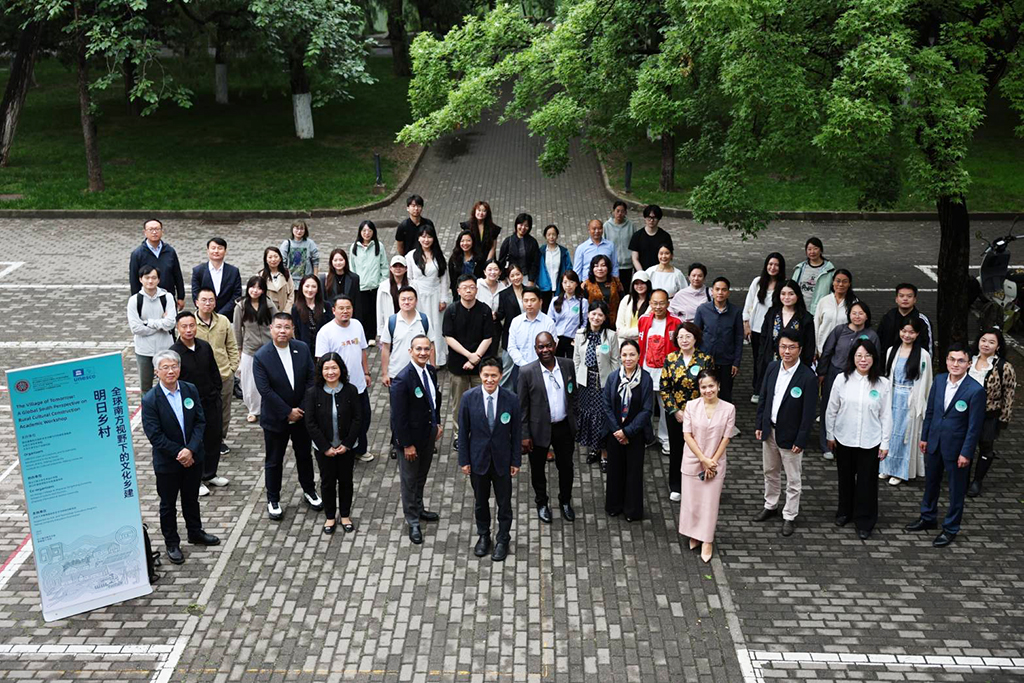
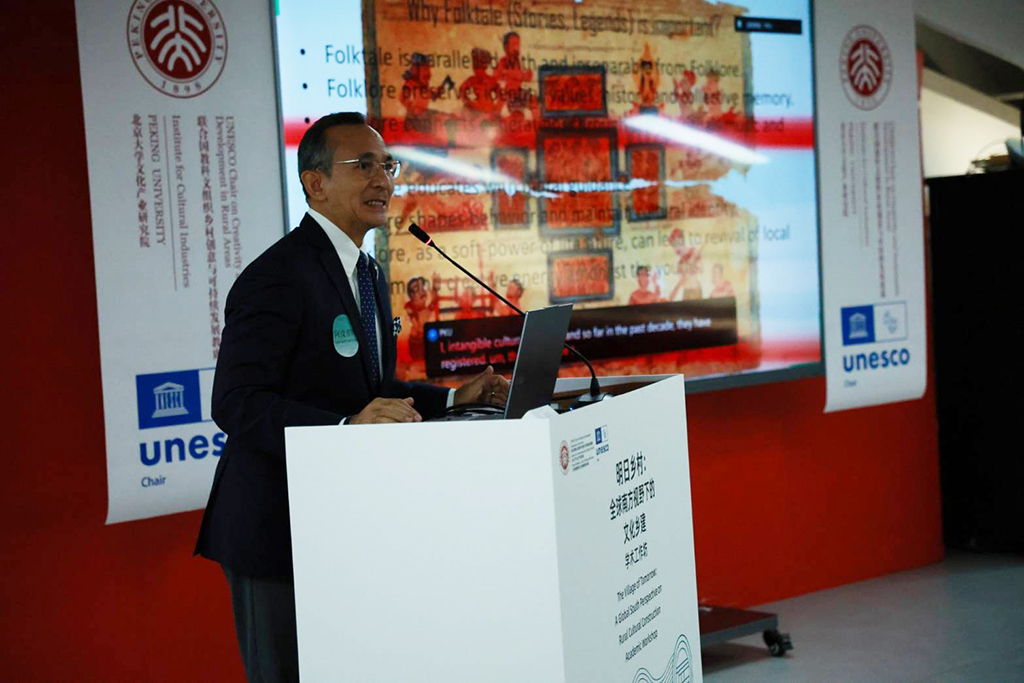
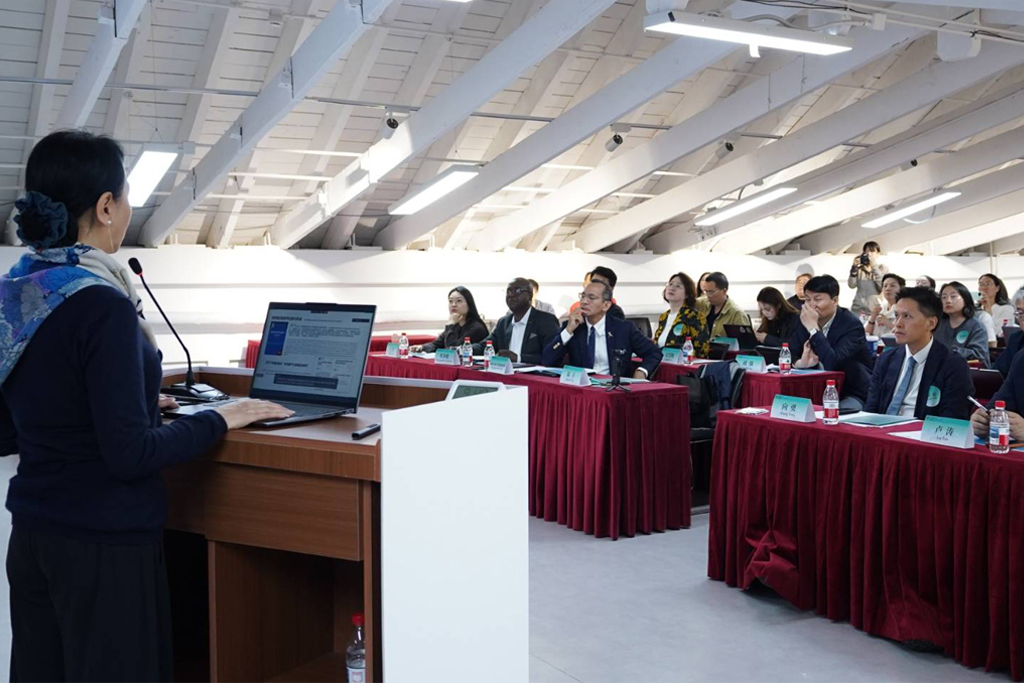
Assumption University of Thailand (AU) strengthened its international academic presence as scholars, policymakers, business representatives, and media professionals from China, South Africa, Thailand, and Vietnam gathered at Peking University for the Village of Tomorrow: A Global South Perspective on Rural Cultural Construction Academic Workshop on May 17, 2026.
The workshop brought together more than 30 participants to examine how culture, creativity, local knowledge, heritage, and community participation can shape more sustainable futures for rural communities across the Global South.
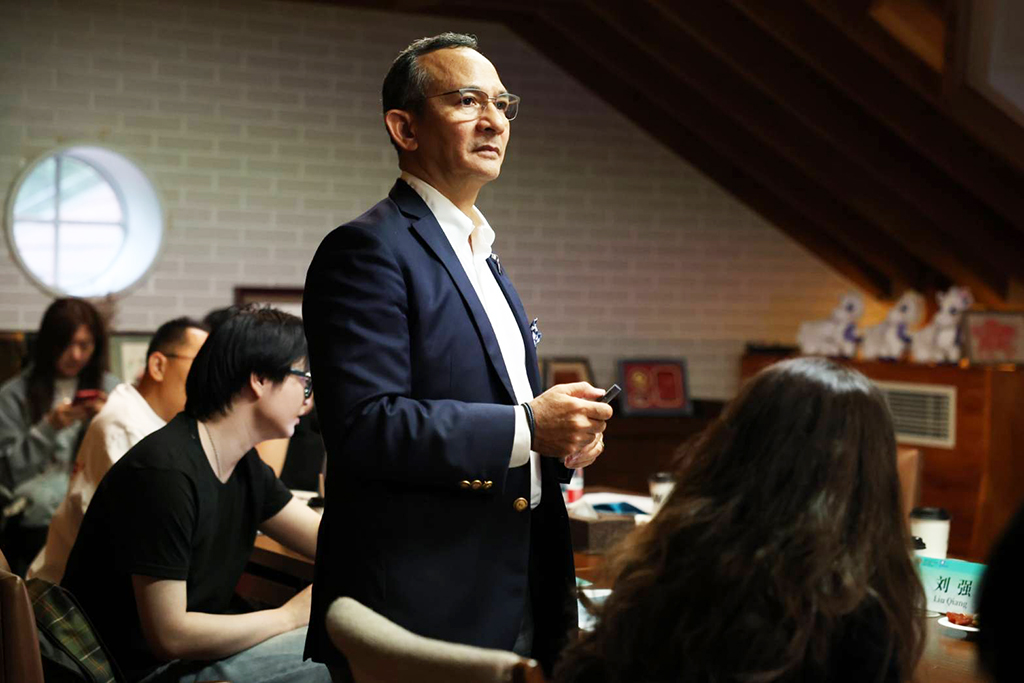
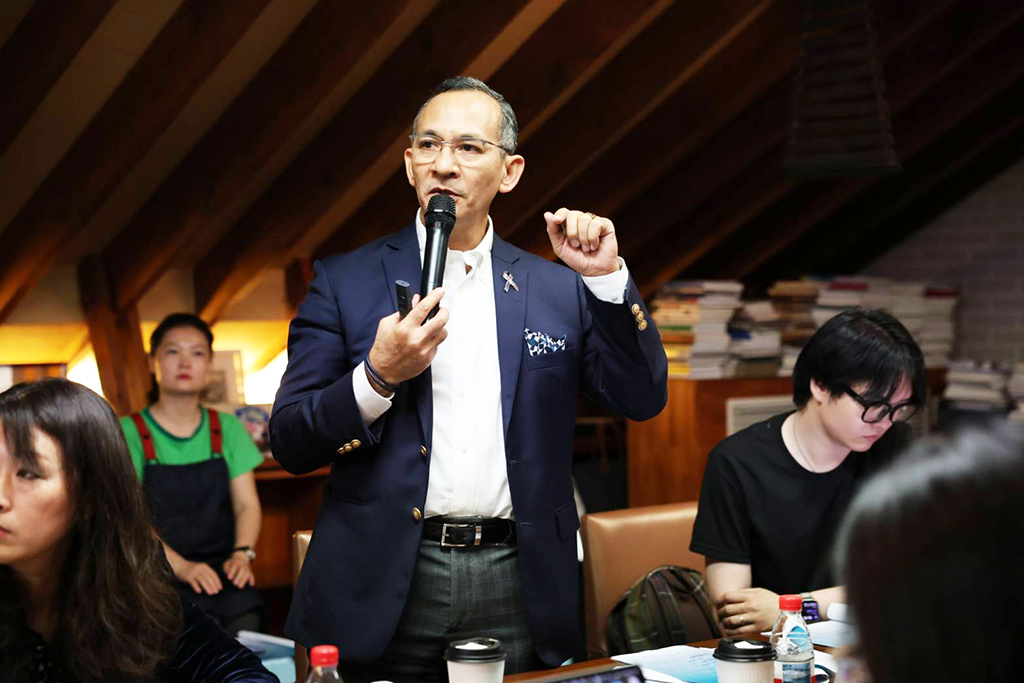
For Assumption University, the event offered a meaningful opportunity to contribute to this regional dialogue through the participation of Dr. Apichart Intravisit, Program Director of the Master of Arts in Art and Design, Graduate School of Human Sciences, Assumption University of Thailand.
A Global South Conversation with Real-World Purpose
The Village of Tomorrow workshop was jointly organized by the UNESCO Chair on Creativity and Sustainable Development in Rural Areas, the School of Arts at Peking University, and Peking University’s Institute for Cultural Industries.
The program explored how rural vitalization can move beyond economic indicators alone and place greater value on culture as a living resource. Speakers examined how traditional knowledge, local identity, creative industries, digital tools, and youth participation can support rural communities as they adapt to changing social, environmental, and economic realities.
The workshop’s Global South perspective was especially significant. Rather than treating rural development as a one-size-fits-all model, the discussion emphasized mutual learning among countries with deep cultural heritage, diverse local communities, and shared development challenges.
Reviving Folktales, Faith and Local Wisdom
Dr. Apichart’s first presentation in the morning was titled “Revival of Buddhist Faiths, Local Tradition, and Language Learning Through Folktales: Community-Based Management of ‘Prince Subin Kumara’ Folktales as Thailand’s Intangible Cultural Heritage.”
His presentation explored how folktales can serve as more than stories from the past. Through the example of Prince Subin Kumara, Dr. Apichart highlighted how community-based management of intangible cultural heritage can help revive Buddhist faith, strengthen local traditions, support language learning, and encourage communities to uphold traditional values connected to monk ordination.
The topic reflected a deeply Thai understanding of culture as something lived, shared, remembered, and renewed across generations. It also connected closely with the workshop’s wider theme: that rural cultural development must begin with the knowledge, beliefs, stories, and practices already held within communities.
From Silver Bowl to Water Gun
In the afternoon forum, Dr. Apichart presented Key Mechanisms of Culture-Empowered Local Development: From Resource Activation to Brand Building.
His afternoon presentation, titled “From Silver Bowl to Water Gun,” examined the evolution of the Songkran festival from an intimate community celebration in Northern Thailand into a globally recognized cultural event and destination brand.
The title captured the wider transformation of Songkran with elegant simplicity. The silver bowl suggested the festival’s traditional roots in blessing, respect, water, and community life. The water gun pointed to its modern expression as a major tourism and cultural brand recognized around the world.
Through this example, Dr. Apichart showed how cultural traditions can be activated, reinterpreted, and shared with wider audiences while still raising important questions about authenticity, continuity, and community meaning.
AU’s Thoughtful Presence in an International Academic Exchange
Dr. Apichart’s participation reflected Assumption University’s commitment to respectful and meaningful international academic engagement. His presentations connected Thai cultural heritage with broader questions of rural vitalization, creative development, and community identity.
Rather than treating culture as decoration, his work approached culture as a living resource. Folktales, rituals, festivals, language, faith, and local memory were presented as foundations for learning, identity, and sustainable community development.
This approach aligned closely with AU’s mission to prepare graduates who are not only professionally capable, but also globally aware, culturally sensitive, and ready to contribute to society.
Culture as an Asset, Not an Afterthought
A central message from the workshop was that culture should not be viewed merely as an addition to development. Instead, participants emphasized that culture is an asset capable of generating new forms of knowledge, identity, livelihood, and resilience.
Dr. Xiang Yong, Director of Peking University’s Institute for Cultural Industries and Chairperson of the UNESCO Chair on Creativity and Sustainable Development in Rural Areas, noted that the workshop aimed to move beyond geographical and cognitive boundaries while exploring new approaches through equal dialogue and mutual learning.
Other speakers discussed traditional craft communities, digital art, artificial intelligence, rural painting databases, data-driven mapping of traditional villages, and new models for preserving living heritage. Together, these perspectives showed how rural communities can benefit from both heritage-based wisdom and future-facing innovation.
Building the Village of Tomorrow
As global challenges become more complex, the future of rural communities will depend on approaches that honor heritage while embracing creativity and innovation. The Village of Tomorrow workshop offered a timely reminder that rural vitalization is not only an economic project. It is also a cultural, educational, and human one.
WRITER : THE AU LIBRARY
More Information about Graduate School of Human Sciences, please visit:
Website: https://humansciences.au.edu/
Facebook: https://www.facebook.com/abacgraduate/
Twitter: https://twitter.com/AbacGrad
Tel: (+66) -2783-2222 Ext. 3718, 3636