






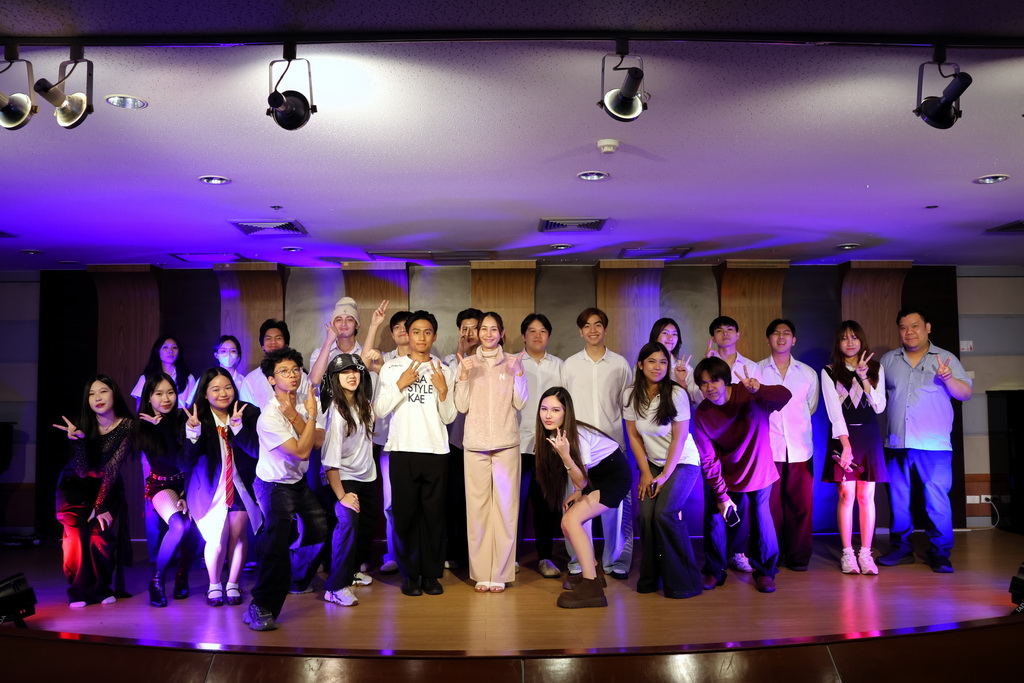
Assumption University students brought Stanislavski’s “Magic If” from classroom exercises to the stage, turning four weeks of exploration into nine original experimental performances combining acting, movement, dance, music, poetry, singing and multimedia.
The project grew from work in the Acting for Musicians and Music and Choreography courses, where students explored one of the best-known ideas associated with Russian theatre practitioner Konstantin Stanislavski: What would I do if this were really happening to me?
Known as the “Magic If”, the technique encourages performers to move beyond simply playing a role and instead imagine themselves within the circumstances of a character or situation. For the students, that question became the starting point for discovering how thoughts, emotions and personal experiences could be communicated through performance.
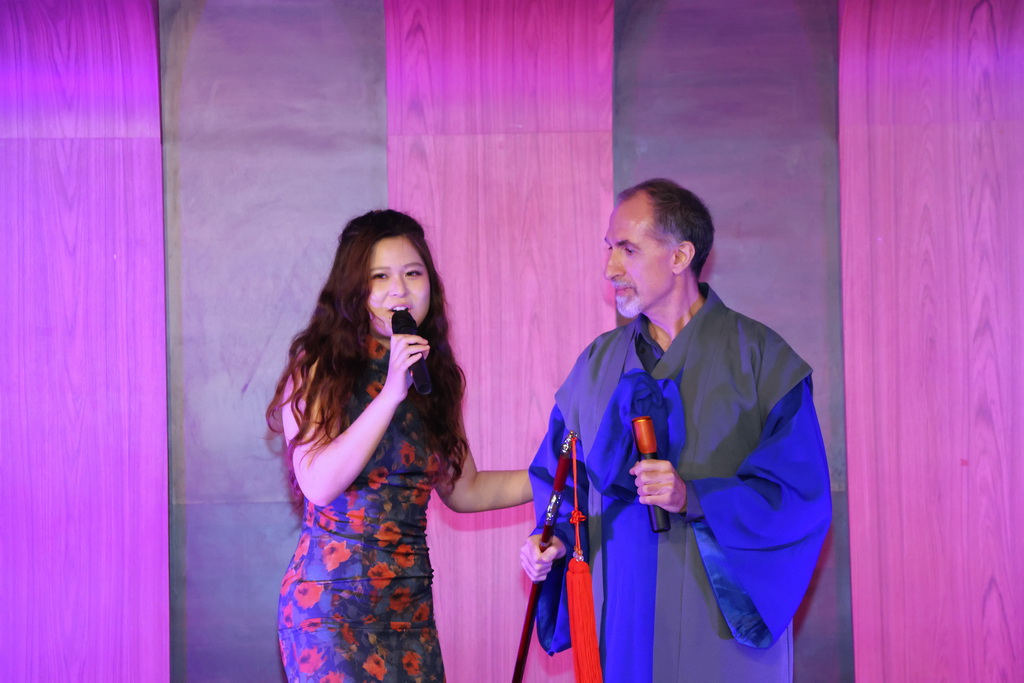
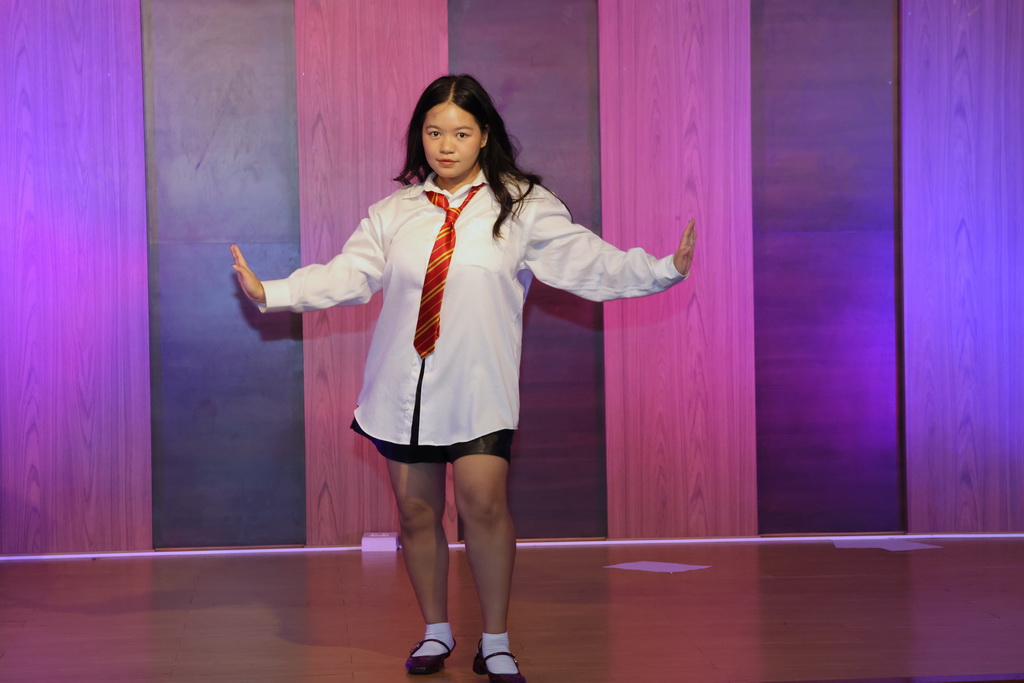
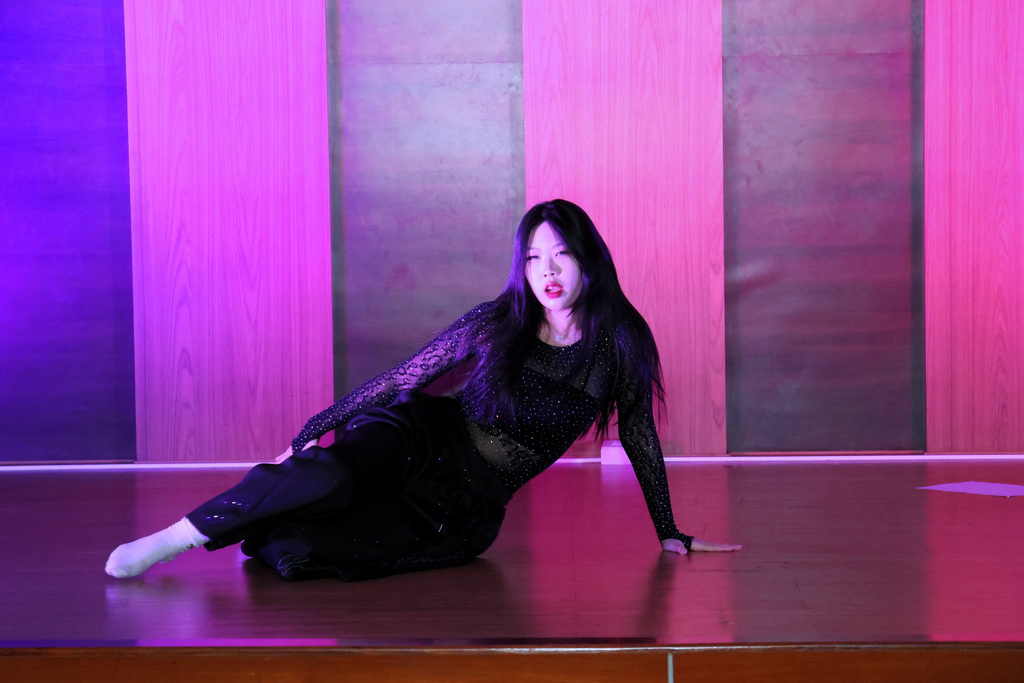
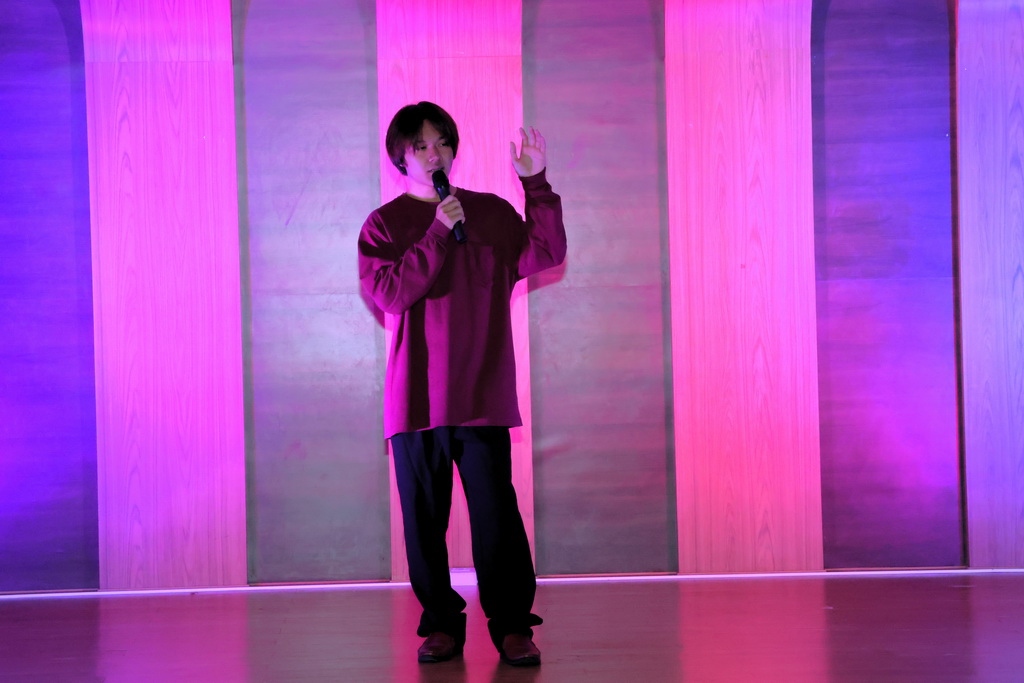
From a question to a performance
Rather than working from a finished production, students spent four weeks building their performances from the ground up.
They developed concepts, worked on scripts, composed music, created choreography and shaped the final presentation. Acting, physical movement, dance, music, poetry, singing and multimedia became part of the creative vocabulary available to each group.
The result was nine experimental performances, each offering its own response to the Magic If and giving students room to explore ideas and aspects of themselves through performance.
The process placed students in roles extending well beyond that of performer. They became writers, composers, choreographers and collaborators, making creative choices and learning how those choices affected the story told on stage.
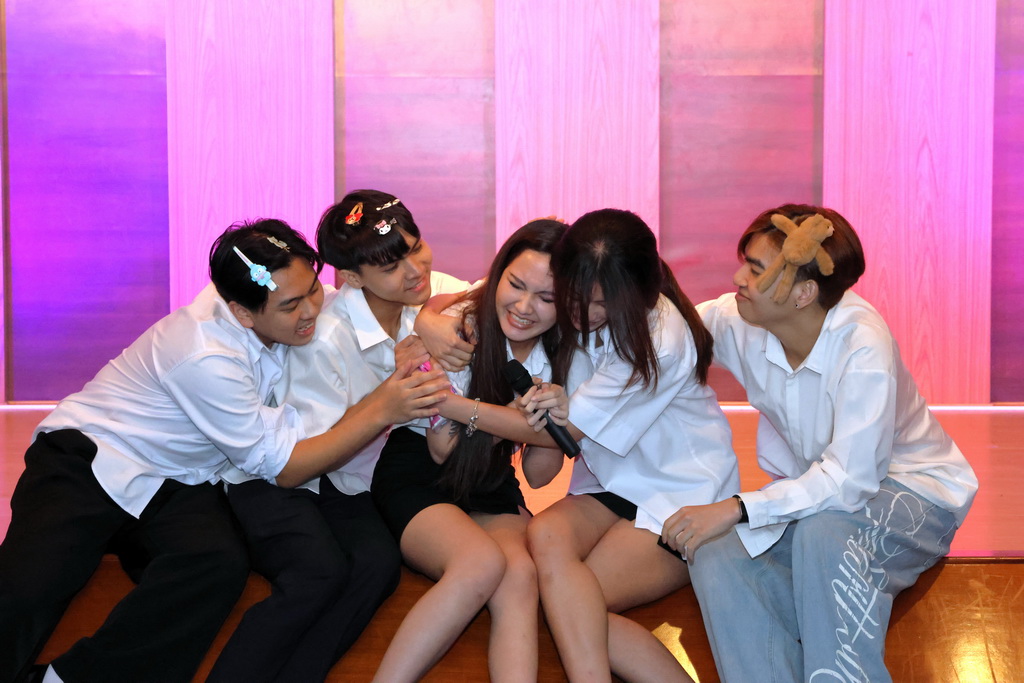
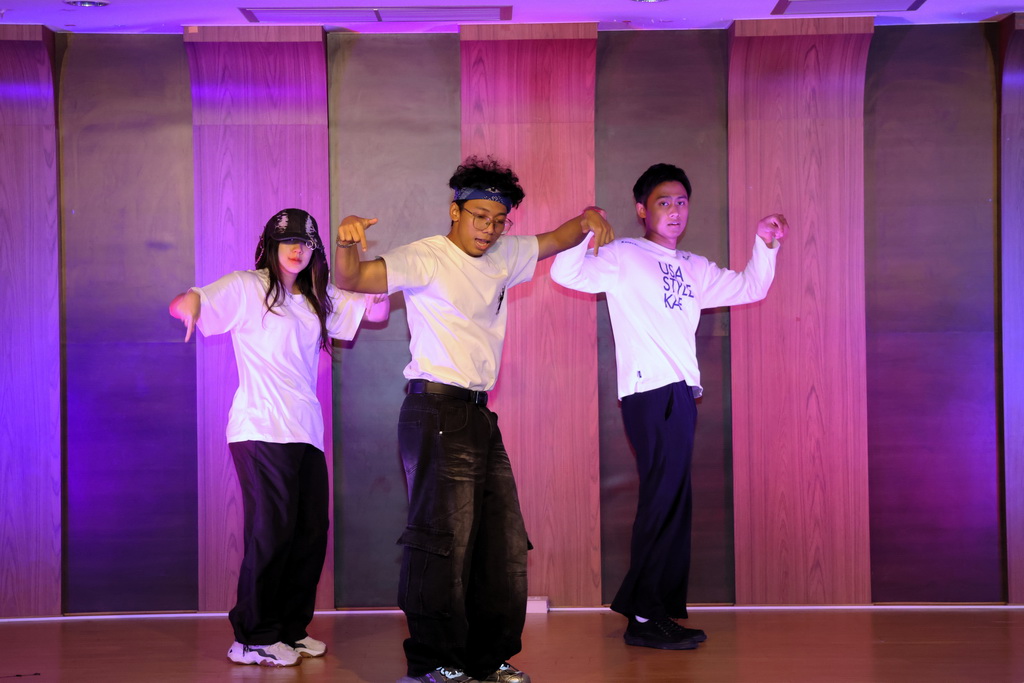
Learning by doing
The experimental format also turned the classroom into a working creative space where ideas could be tested, revised and developed through practice.
That experience was particularly important for students stepping into unfamiliar characters and forms of expression.
“Through this project, I learned about acting, teamwork, and expressing emotions through body movements,” said ThankdanaiTangkeaw, a student in Acting for Musicians. “I had little experience playing a character so different from myself, so playing Nim challenged me to step outside my comfort zone and use different gestures, facial expressions, and movements to make the character believable.”
After the applause
Self-reflection formed an important final part of the project. Students were encouraged to consider not only what they had presented, but how the creative process had changed their understanding of acting, movement, collaboration and artistic communication.
By taking an idea introduced in class and carrying it through concept development, rehearsal and live performance, the project gave students practical experience that can be applied to future professional work as musicians, performers, artists and performance creators.
For these students, Stanislavski’s famous question was more than an acting exercise.
What if? became an invitation to imagine, create and perform.
WRITER: LOUIS NOBIRON SCHOOL OF MUSIC
More Information about Louis Nobiron School of Music, please visit:
Website: https://music.au.edu/
Facebook: https://www.facebook.com/AbacMusic
Line: @abacmusic
Tel: (+66)-2783-2222 Ext. 2356