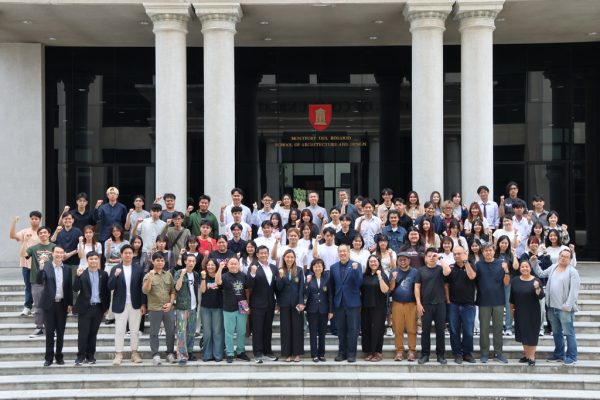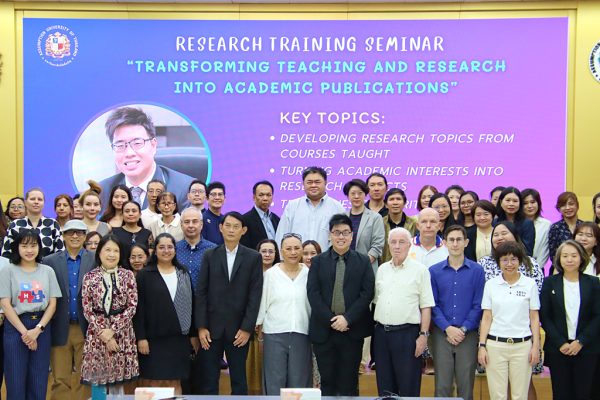





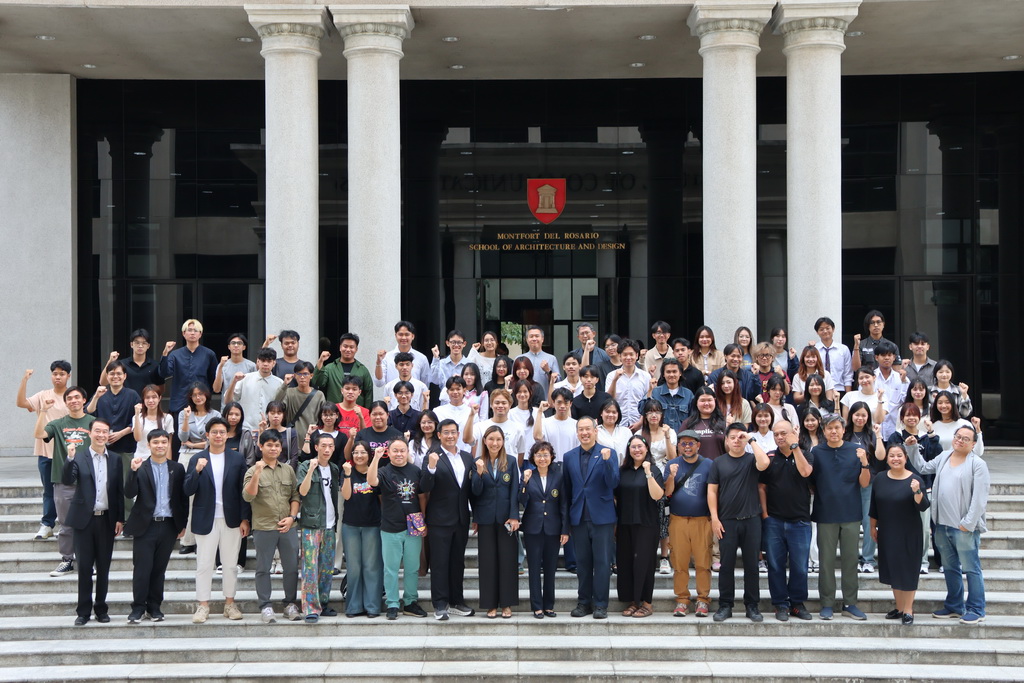
The ASA Architectural Design Student Workshop 2026 provided architecture students with an intensive, hands‑on learning experience focused on the intersection of digital intelligence and human craftsmanship. Held from March 31 to April 3, 2026, at the Montfort del Rosario School of Architecture and Design, Assumption University of Thailand (AU), Suvarnabhumi Campus, the workshop was co‑hosted by AU and the Association of Siamese Architects under Royal Patronage (ASA).
This year’s workshop was organized under the theme “Digital Intelligence + Human Craft = Digital Craft,” aligning with the broader ASA 2026 concept that questions how architectural practice should respond to artificial intelligence while preserving human wisdom, local knowledge, and craftsmanship. Students were challenged to reinterpret traditional craft through contemporary digital tools and design processes.
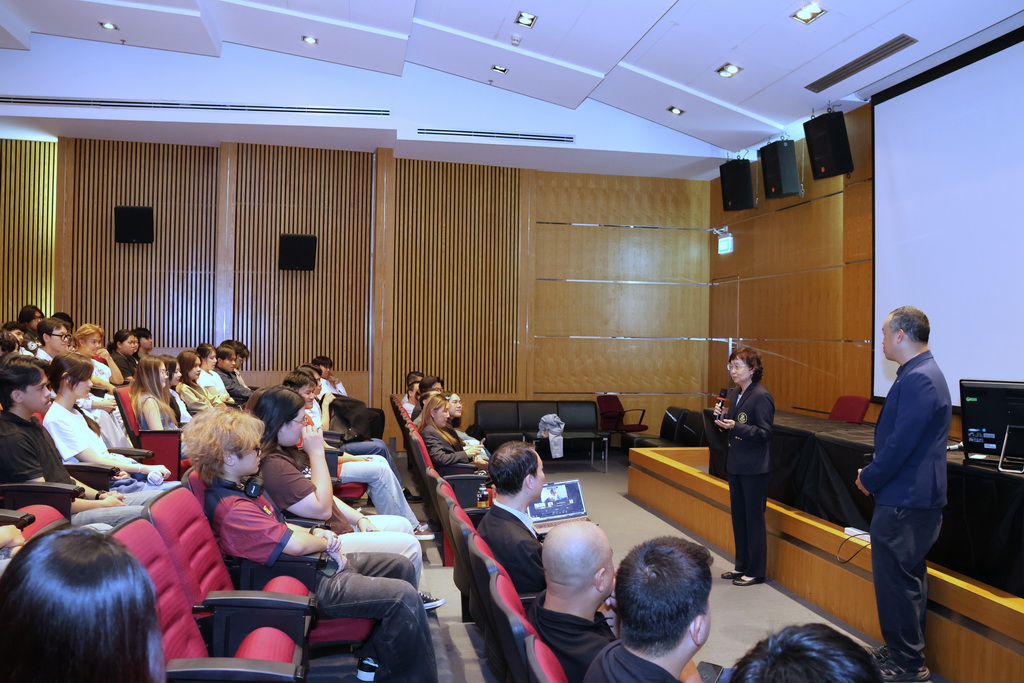
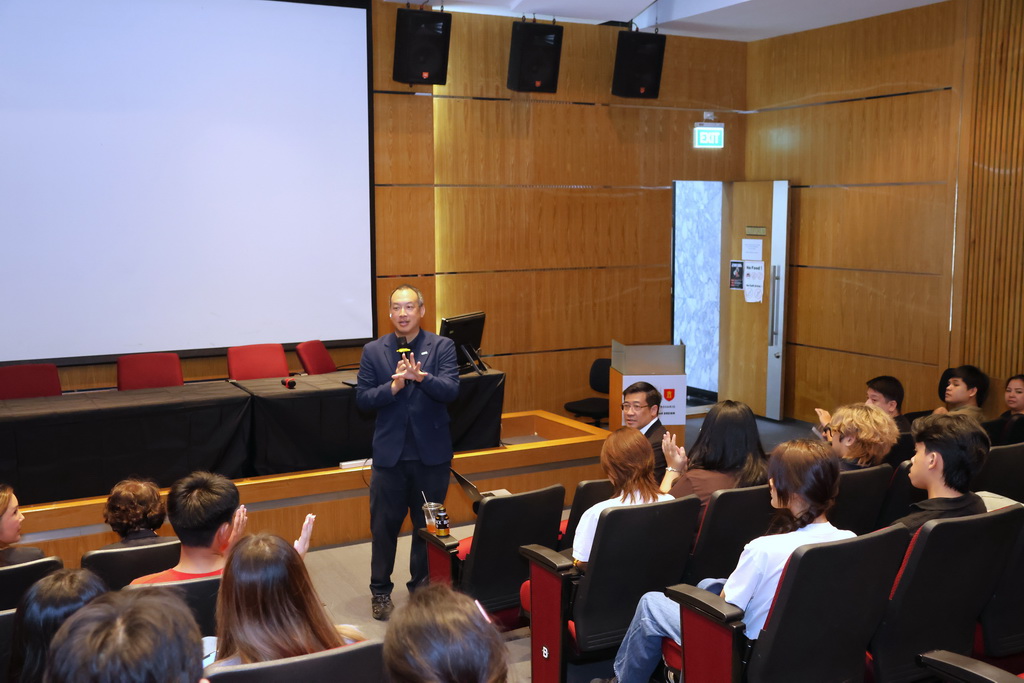
Workshop Structure and Learning Process
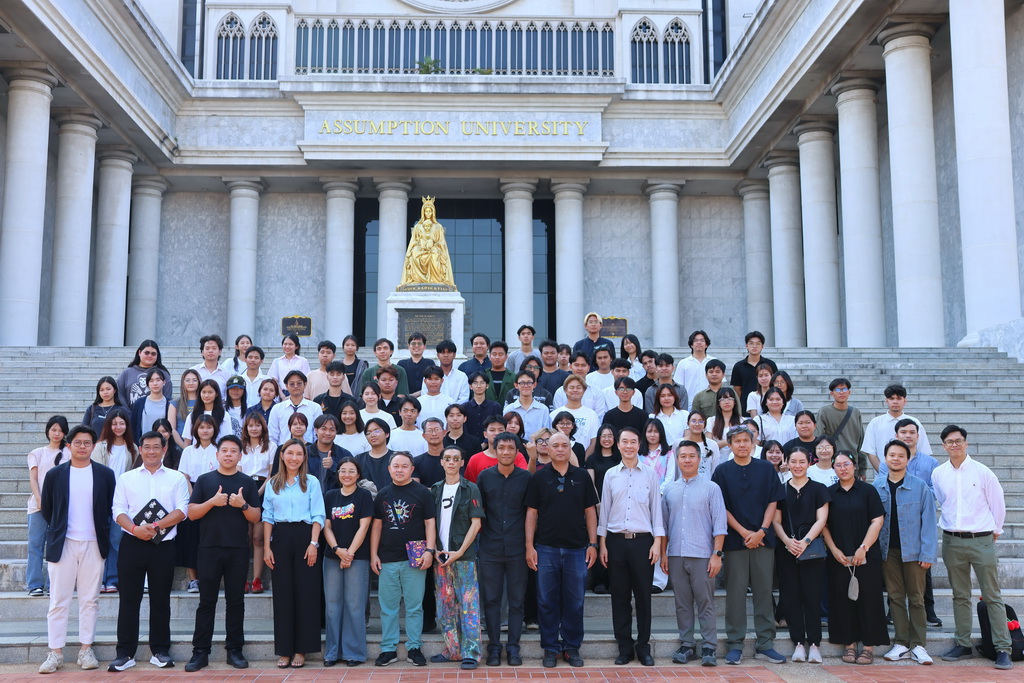
The workshop brought together architecture students from 37 institutions nationwide, primarily from third‑ and fourth‑year levels, working alongside faculty advisors and professional architects. Designed as a studio‑based program, the workshop emphasized learning through practice rather than theory alone.
Activities began with an online lecture session prior to the on‑site workshop, where architects and experts introduced key ideas on integrating local wisdom with digital design tools. Students were then grouped for collaborative work and assigned faculty advisors.
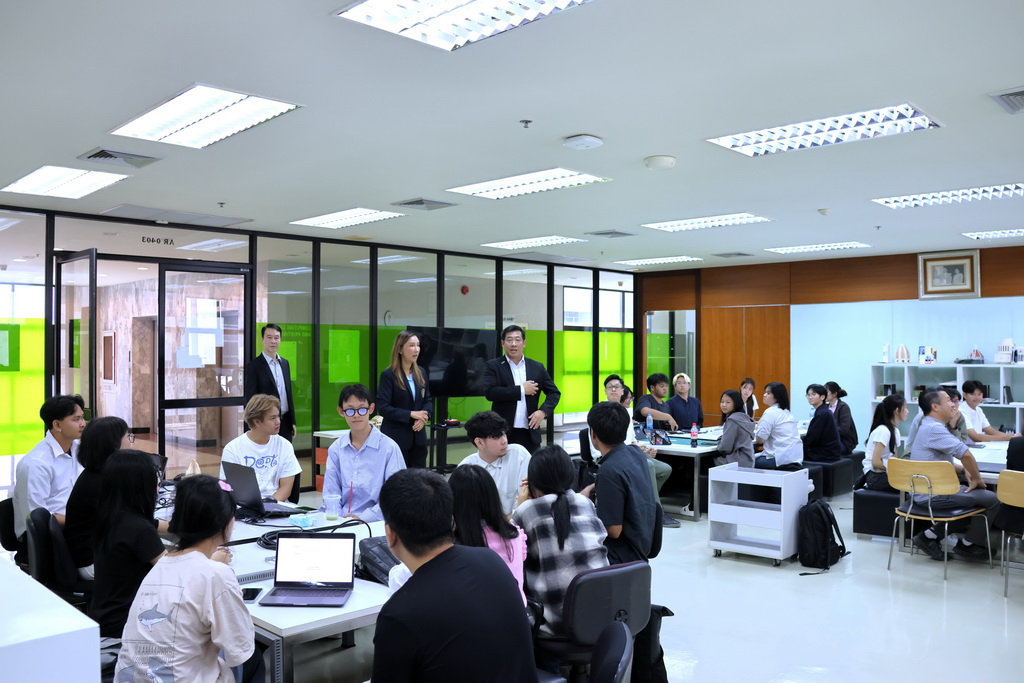
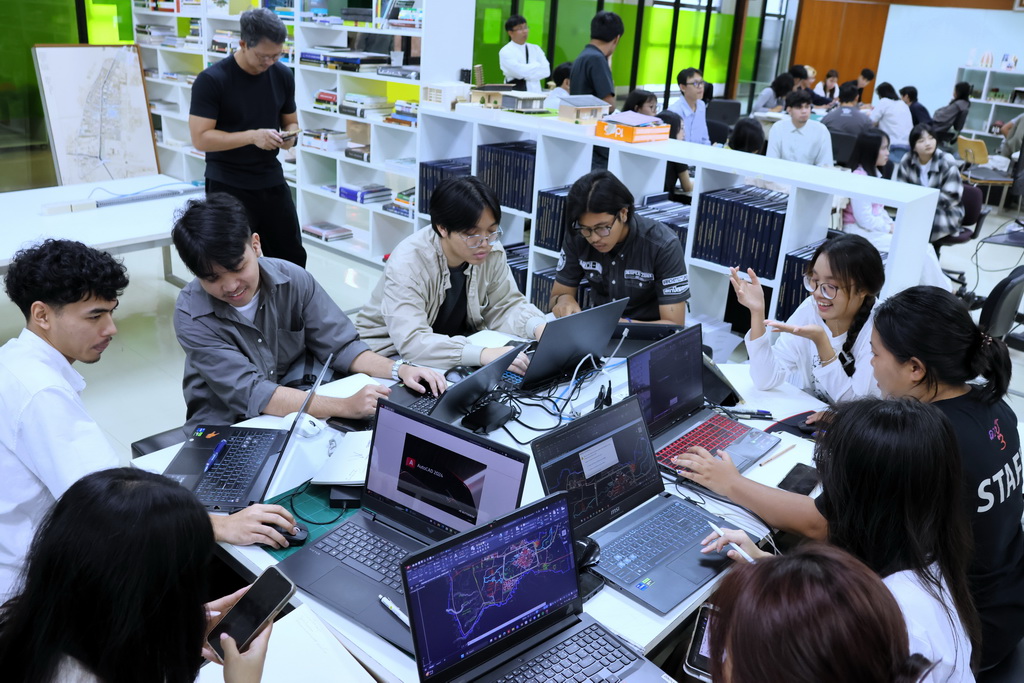
From March 31 to April 3, participants worked on site in full studio mode. Each group explored the design of small‑scale architectural projects—such as pavilions, shelters, waiting areas, or transport‑related spaces—responding to community needs while incorporating the concept of digital craft. Students were encouraged to focus on architectural detailing as a meeting point between material craftsmanship and digital processes.
From Concept to Final Design
The workshop followed a structured design progression. On the first day, students developed and presented their conceptual ideas, receiving feedback during an initial pin‑up session. The second day shifted toward schematic design and design development, with multiple critique sessions allowing students to refine form, material strategies, and spatial atmosphere.
During this phase, participants experimented with ideas such as algorithmic and generative design, parametric thinking, and digital fabrication methods—while remaining grounded in tactile qualities, material texture, and human experience. The goal was not to replace craftsmanship with technology, but to evolve craft through digital intelligence.
On the third day, groups finalized their designs and presented their proposals to a panel of advisors and instructors. These final presentations emphasized design rationale, context, material logic, and the integration of digital and human processes. Feedback from the panel helped students prepare their work for further development and exhibition.
Collaborative Studio Environment
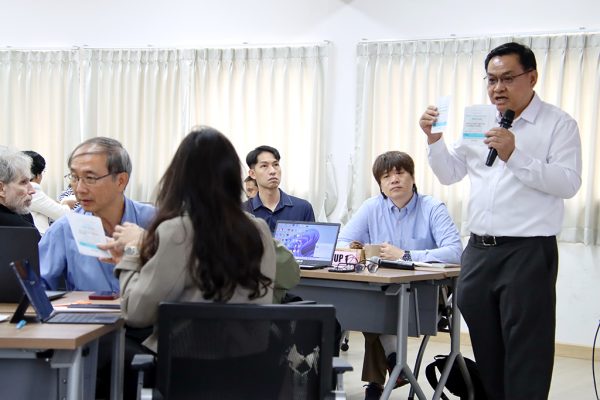
Throughout the four mornings, the AR Building at AU functioned as a shared studio space. Students from different universities worked side by side, exchanging ideas and learning from diverse design approaches. Regular pin‑ups, group discussions, and reviews created an environment similar to professional architectural practice, where critique and collaboration play a central role.
Faculty members and invited experts served as advisors, guiding students through the design process and encouraging critical thinking. The workshop concluded with a summary session, reflection, and group feedback before participants returned to their institutions.
Extending Learning Beyond the Workshop
The workshop outcomes do not end on campus. Selected works will be further developed and exhibited as part of Architect ’69, the annual ASA architecture exhibition held at Challenger Hall, IMPACT Muang Thong Thani. This extended phase allows students to experience how academic design work can enter a broader professional and public platform.
A Platform for Learning by Doing
By focusing on experimentation, material thinking, and digital tools alongside human creativity, the ASA Architectural Design Student Workshop 2026 offered students a deeper understanding of contemporary architectural practice. The workshop reinforced the importance of studio culture, collaboration, and hands‑on exploration—preparing future architects to navigate a profession shaped by both technological innovation and enduring human values.
WRITER : THE AU LIBRARY
More Information about the Montfort del Rosario School of Architecture and Design, please visit:
Website: https://arch.au.edu/
Facebook: https://www.facebook.com/arch.au.edu/
Facebook: https://www.facebook.com/share/1Yt8eD62Lb/
Facebook: https://www.facebook.com/InteriorArchitectureAU/
Facebook: https://www.facebook.com/INteriorDesignABAC/
Instagram: https://www.instagram.com/arch_abac/
Instagram: https://www.instagram.com/i.n.d.abac/
Twitter: https://twitter.com/IntArchABAC
Tel: (+66)-2783-2222 Ext. 2822