





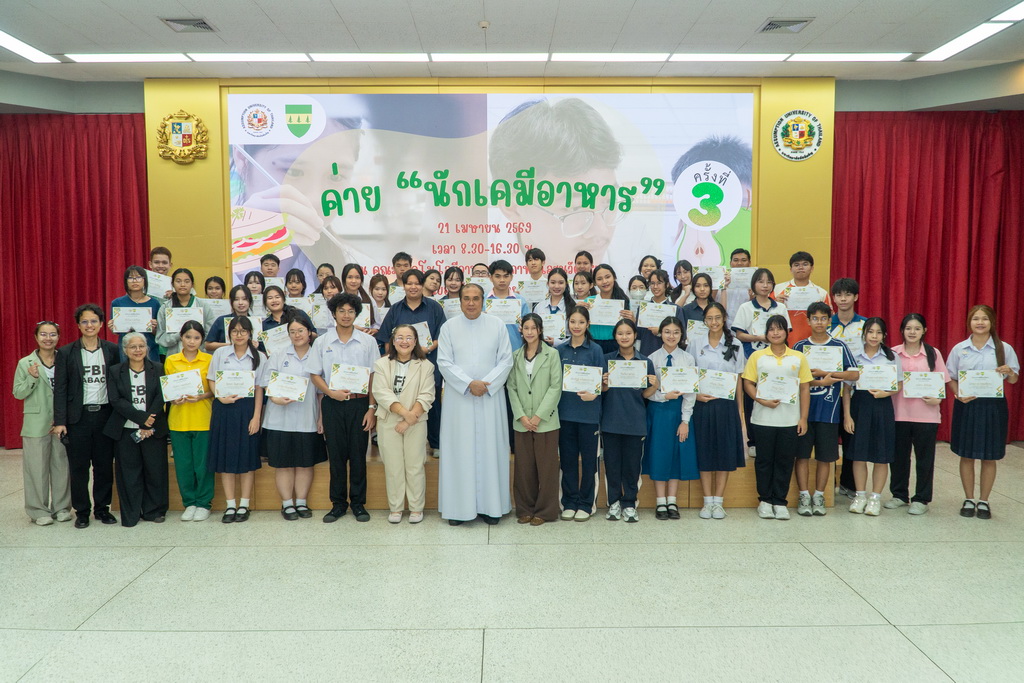
The Theophane Venard School of Food Biotechnology and Innovation at Assumption University of Thailand (AU) turned two April days into a lively introduction to the science of food, hosting Food Detective Camp 3 on April 20 and Food Chemistry Camp 3 on April 21, 2026, at the Hua Mak Campus.
Taken together, the back-to-back workshops offered students something both practical and quietly thrilling: the chance to see food not simply as something consumed, but as something investigated. Across two full days, participants moved between theory and laboratory practice, learning that the world of food science is built as much on curiosity as it is on precision.
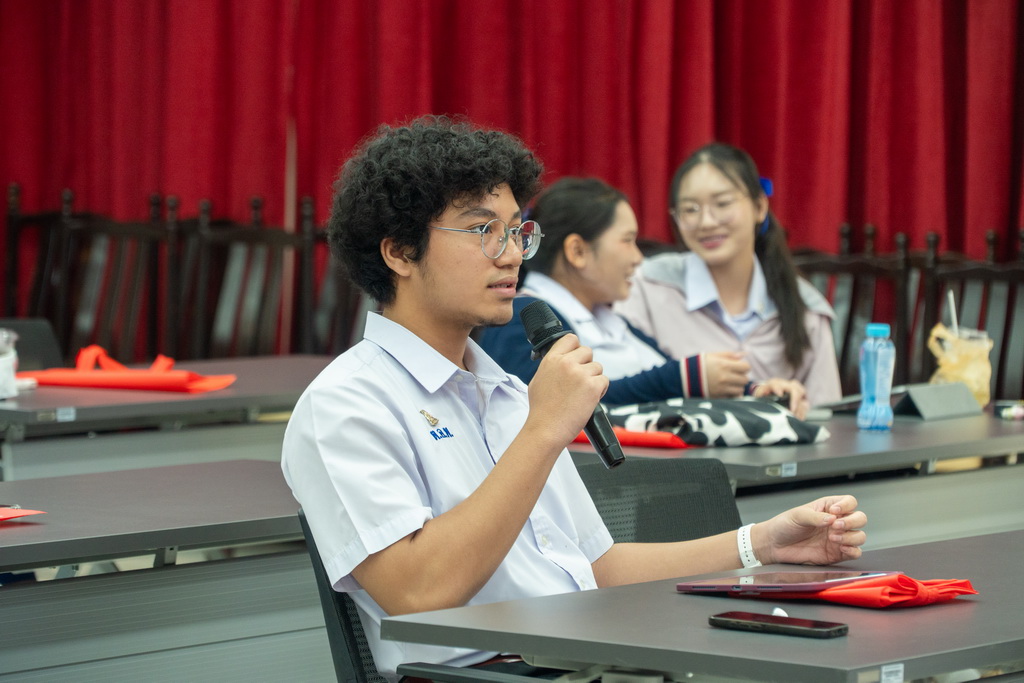
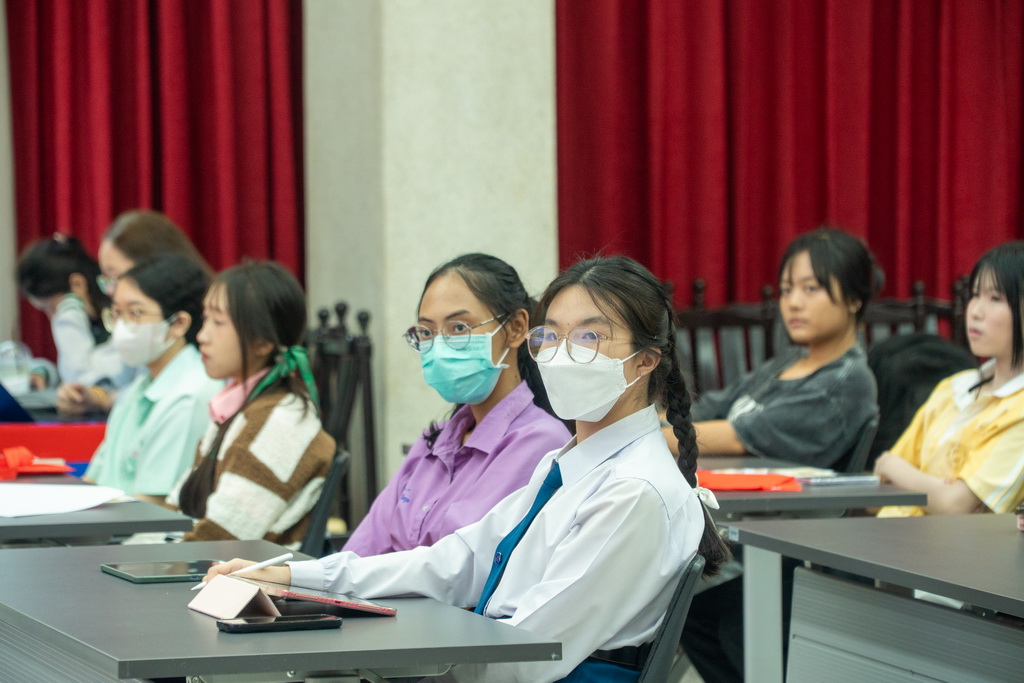
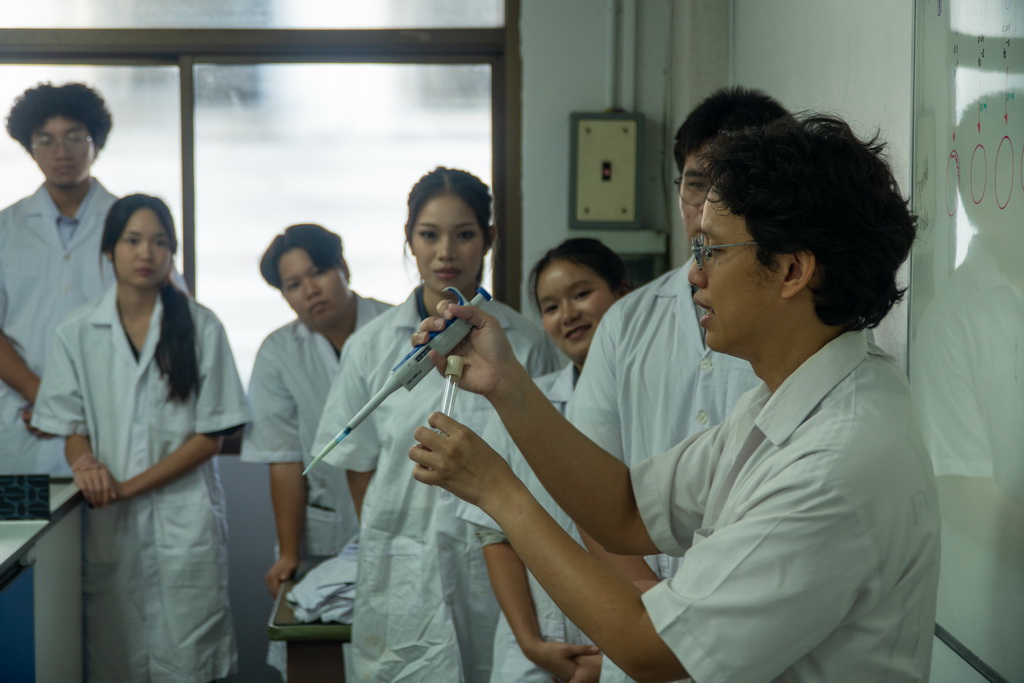
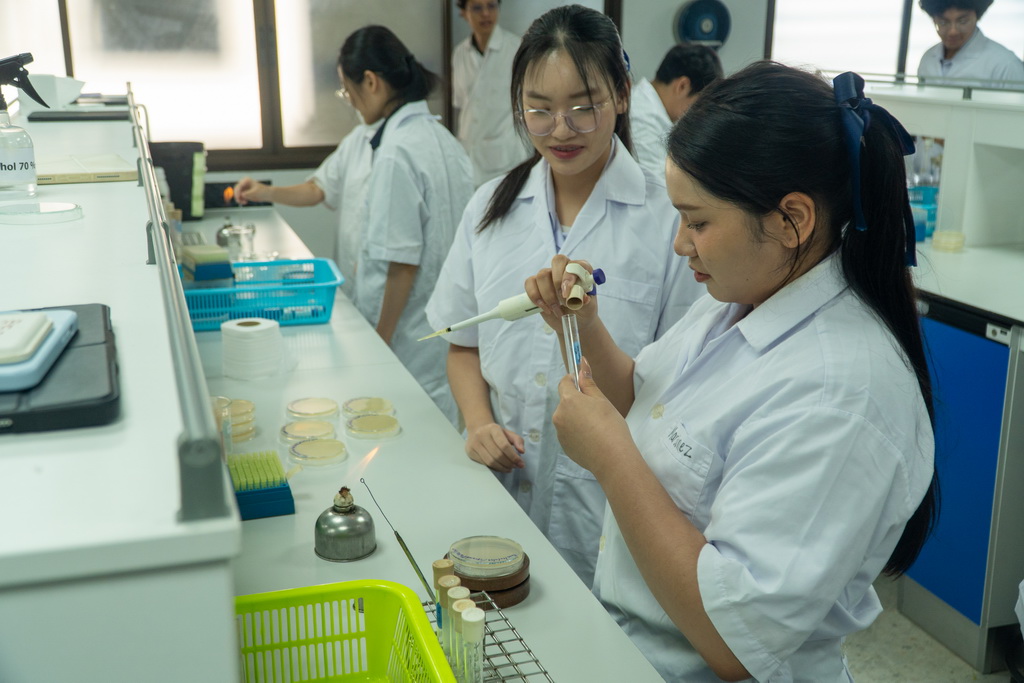
The first day, Food Detective Camp 3, focused on microbiology and the unseen life within food. Students were introduced to the distinction between beneficial and harmful microbes before moving into hands-on sessions that made the subject tangible. They practiced micro-pipette use, learned serial dilution techniques, and carried out spread plate and streak plate exercises, gaining firsthand experience in the methods used to observe microorganisms in food samples. The workshop brought the invisible into view and made the laboratory feel less like a mystery than an invitation.
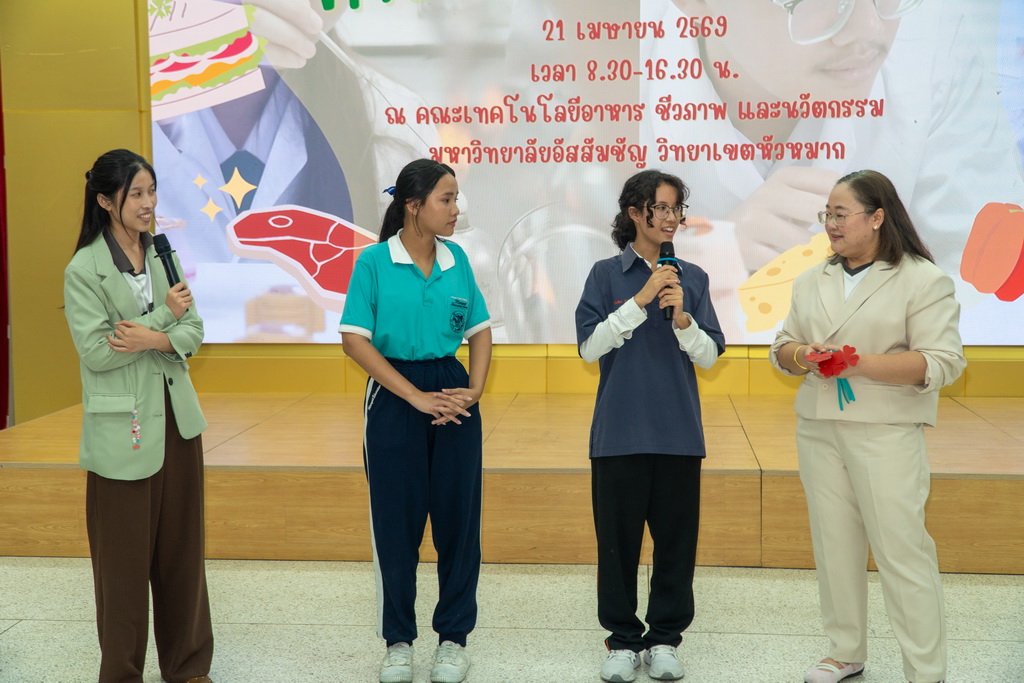
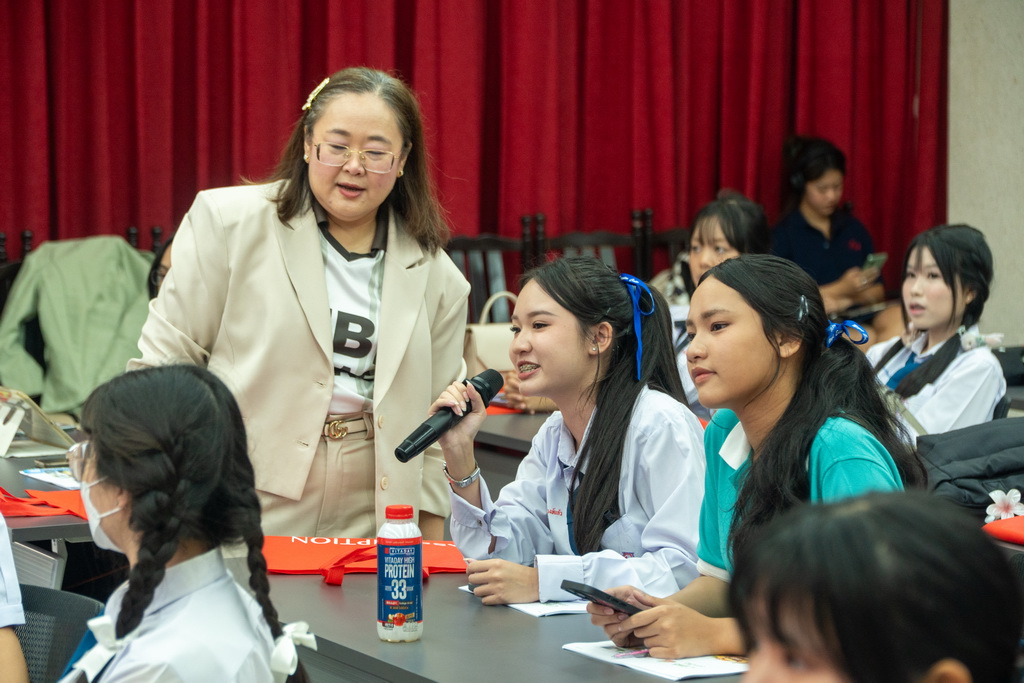
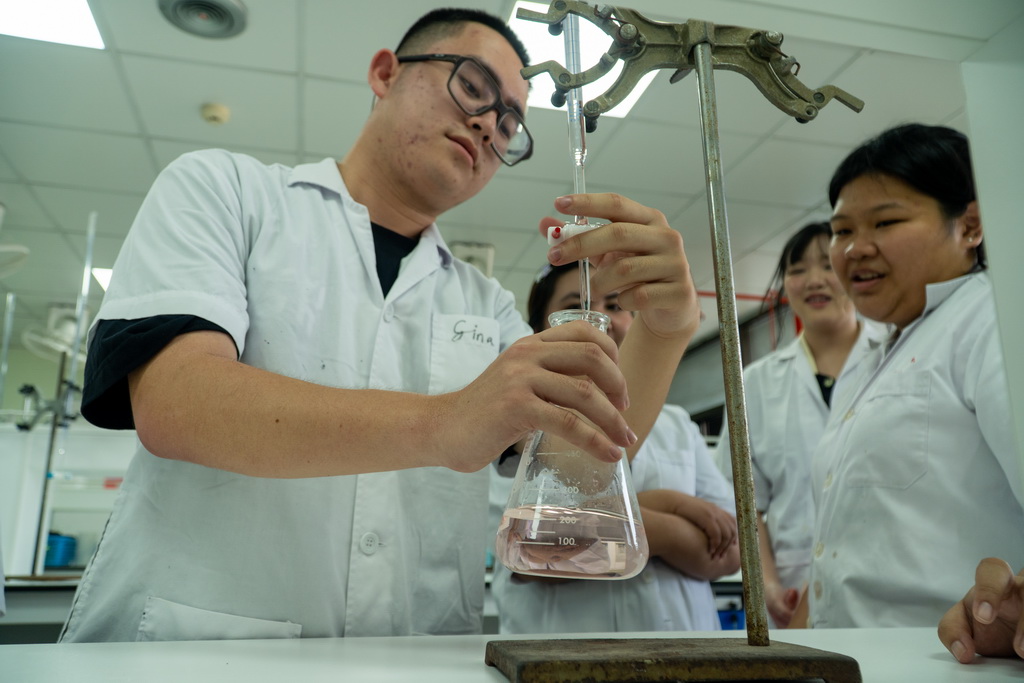
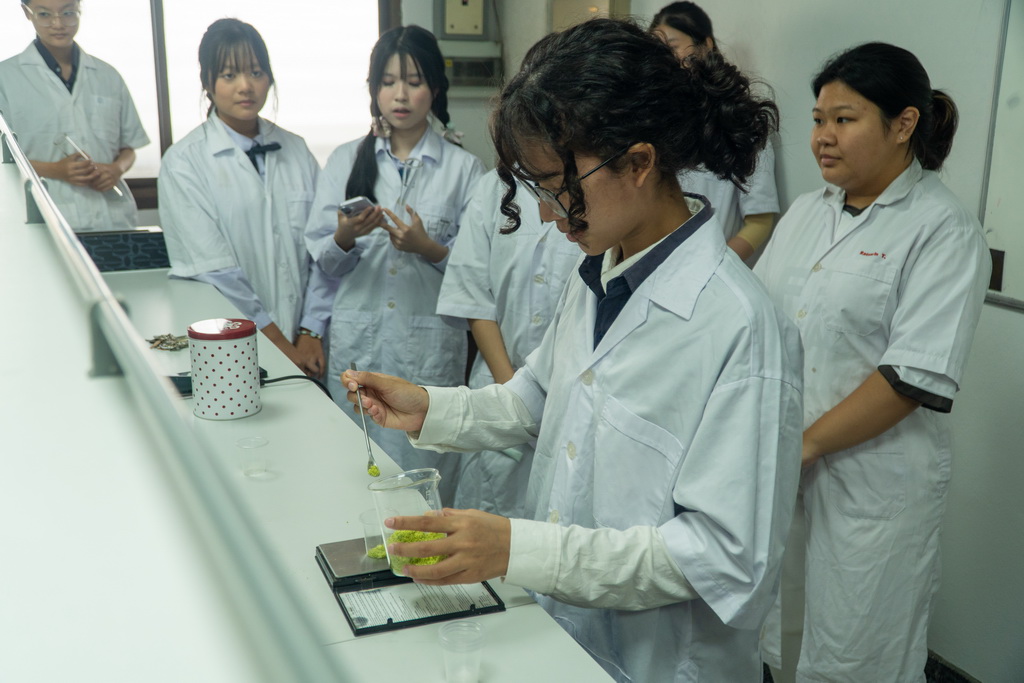
The second day, Food Chemistry Camp 3, shifted from microbes to measurement. If the first workshop asked students to investigate life at the microscopic level, the second asked them to consider the composition and chemical behavior of food itself. The program introduced participants to protein analysis using the Kjeldahl method, along with sessions on carbohydrates and color, and on proteins, fats, and additives. In the laboratory portion of the day, students continued with protein analysis, explored caffeine testing through HPLC analysis, and learned about color measurement using colorimeter. The effect was cumulative: science was no longer abstract, but something they could handle, test, and understand through direct experience.
Both workshops ran from 8:30 a.m. to 4:30 p.m. and were structured with care, combining academic content with hands-on exercises that kept students actively engaged. Certificates were presented at the close of each day, marking the completion of a program that did more than fill time. It opened a door.
What stood out was the school’s faith in experiential learning. These were not passive sessions built around memorization, nor were they designed merely to entertain. They asked students to observe closely, think critically, and participate fully. In doing so, they reflected a broader educational truth: that science becomes most meaningful when it is encountered directly.
By bringing microbiology and chemistry together over two consecutive days, the Theophane Venard School of Food Biotechnology and Innovation created an academic experience that was rigorous, accessible, and alive with discovery. It was the kind of program that reminded students that food science is not confined to textbooks or laboratories alone. It is present in everyday life, waiting to be understood.
WRITER: THE AU LIBRARY
More Information about Theophane Venard School of Food Biotechnology and Innovation, please visit:
Website: https://foodbiotech.au.edu/
Facebook: https://www.facebook.com/FoodBiotechABAC
Instagram: https://www.instagram.com/foodbiotechau
TikTok: https://www.tiktok.com/@foodbiotechabac
E-mail: foodbiotech@au.edu
Tel: (+66)-2783-2222 Ext. 3793, 3796