






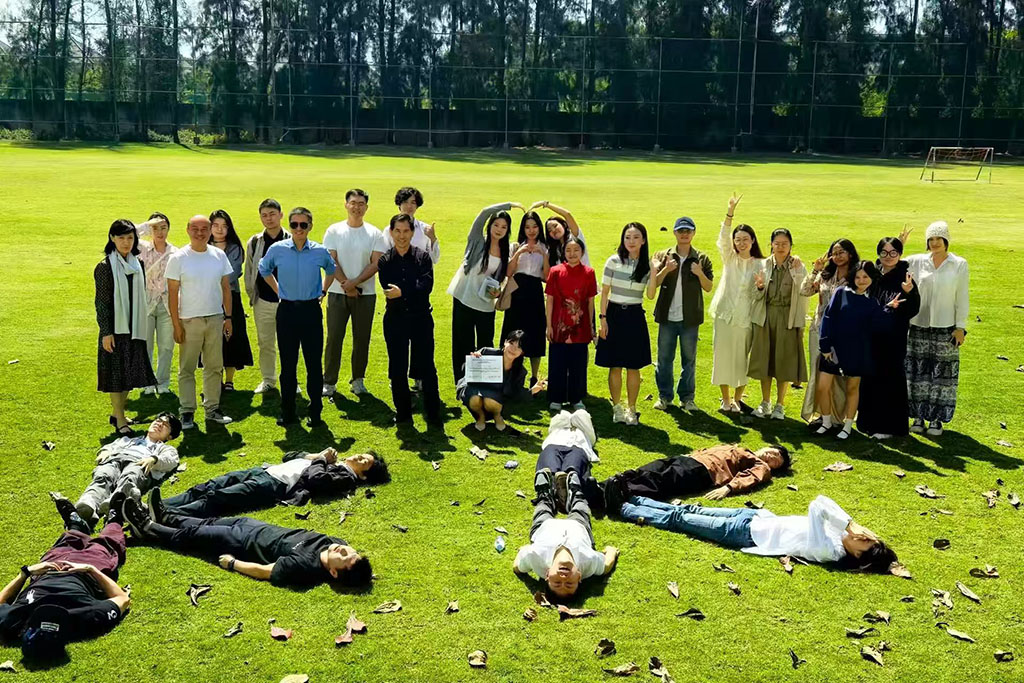
Koh Kret becomes a living laboratory for art, design, and sustainable rural innovation.
Empowering Rural Landscapes Through Design
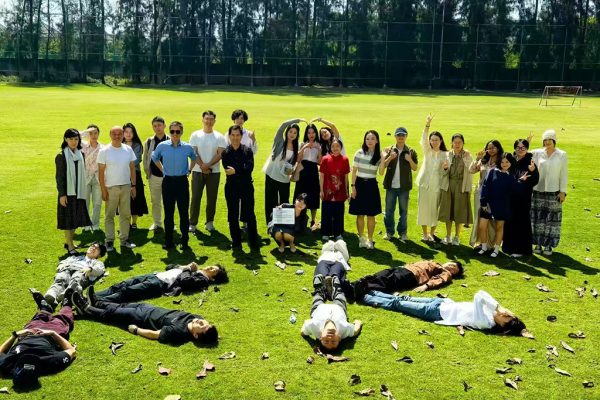
From January 19–26, 2026, the Global Youth Rural Creative Residency Program (Thailand) was officially launched on Koh Kret (Ceramic Island) in Nonthaburi Province. Jointly initiated by Peking University and Assumption University of Thailand, the residency marked a major milestone in China–Thailand academic collaboration, positioning design and creativity as catalysts for sustainable rural development.
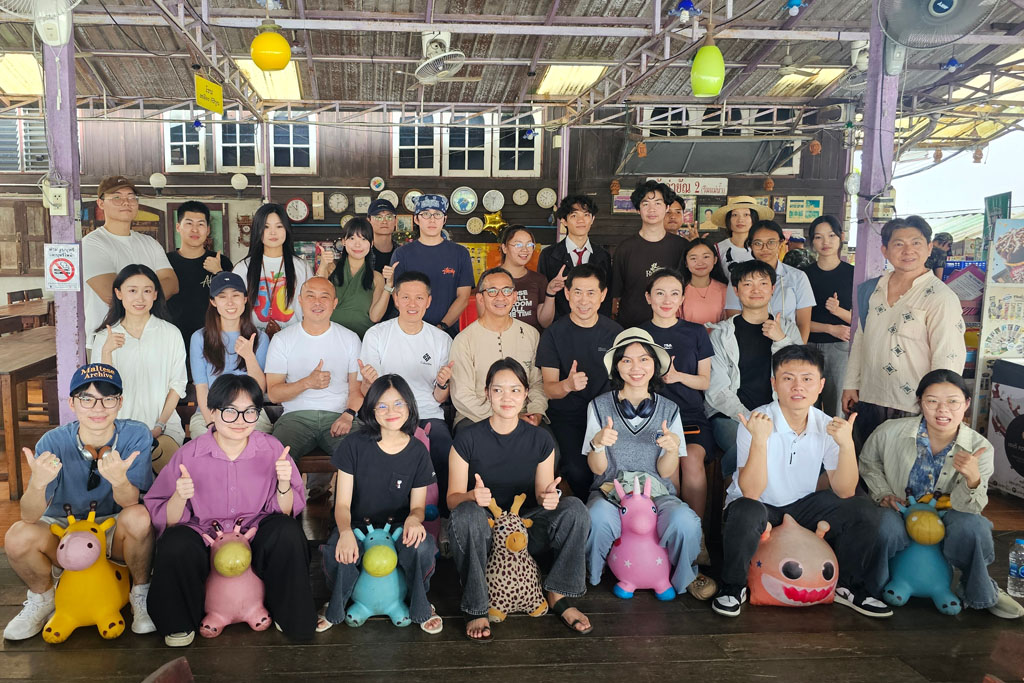
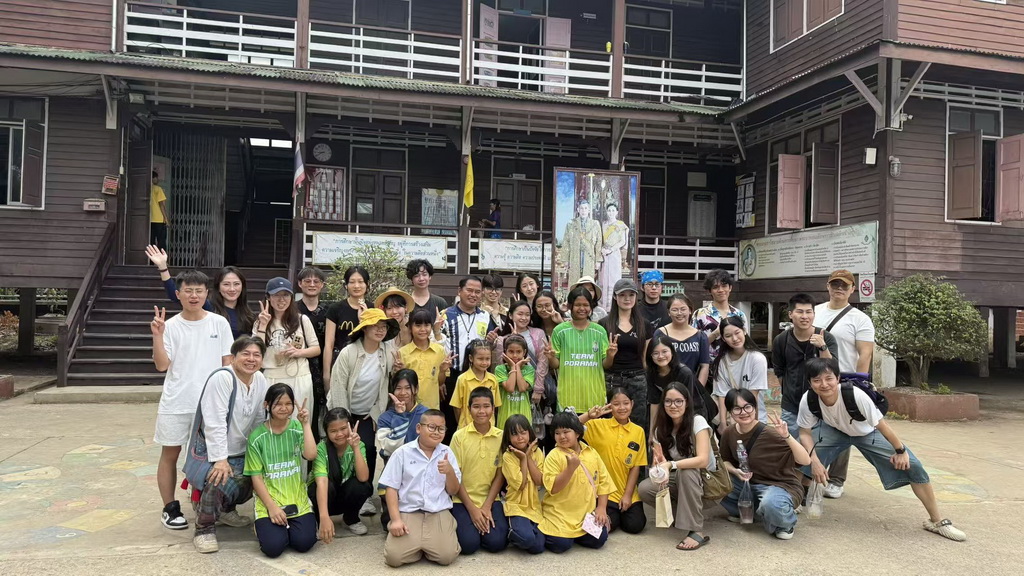
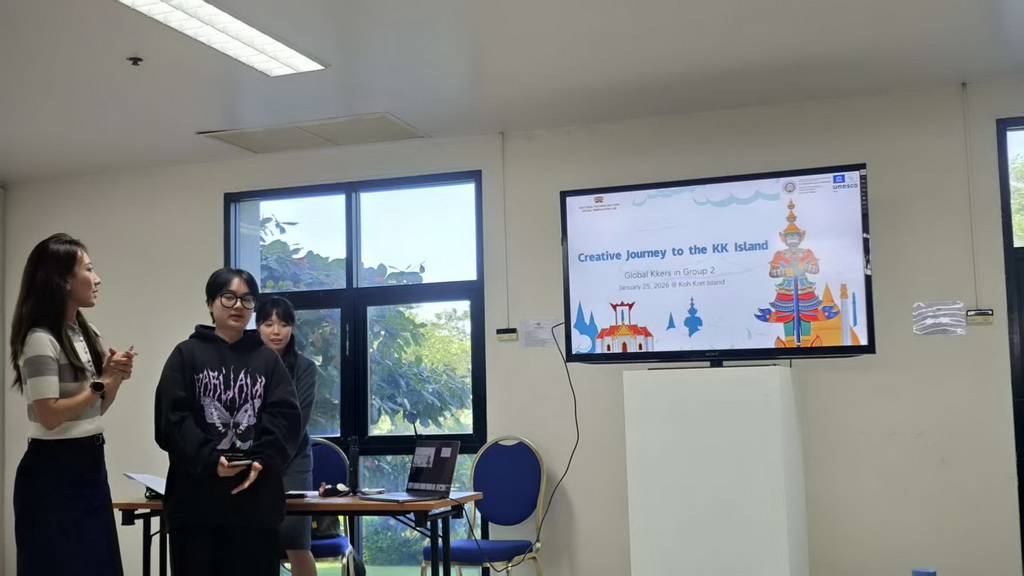
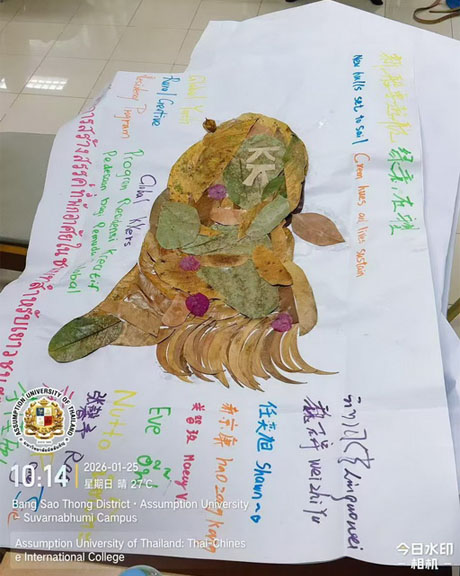
As a flagship initiative of the Cultural Technology and Social Innovation Lab, the residency adopted a practice-driven framework of problem-based research, co-creative design, and artistic action. Through immersive fieldwork and hands-on collaboration, Chinese and Thai faculty members, students, and young creators worked closely with local communities to activate cultural heritage, strengthen ecological stewardship, and stimulate inclusive economic growth
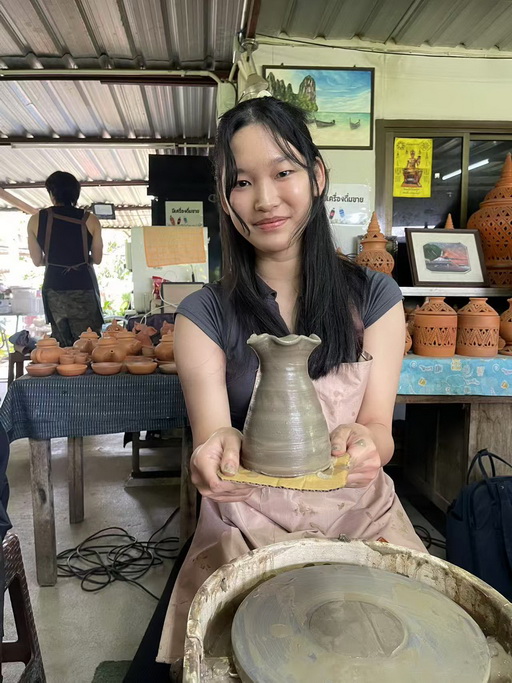
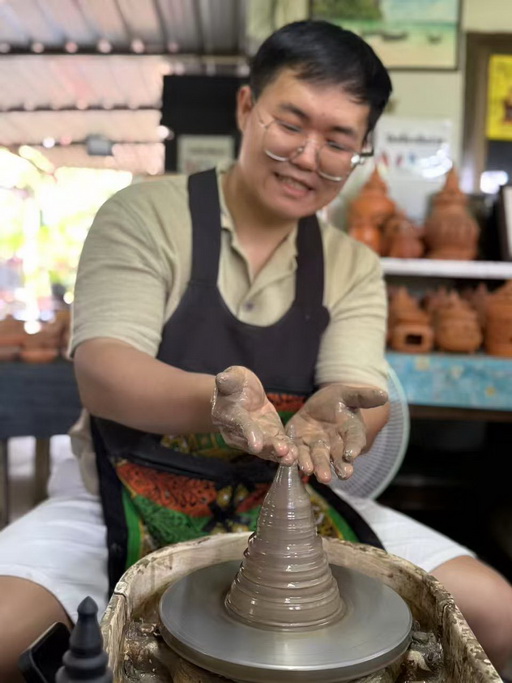
Koh Kret: Where Culture, Community, and Creativity Converge
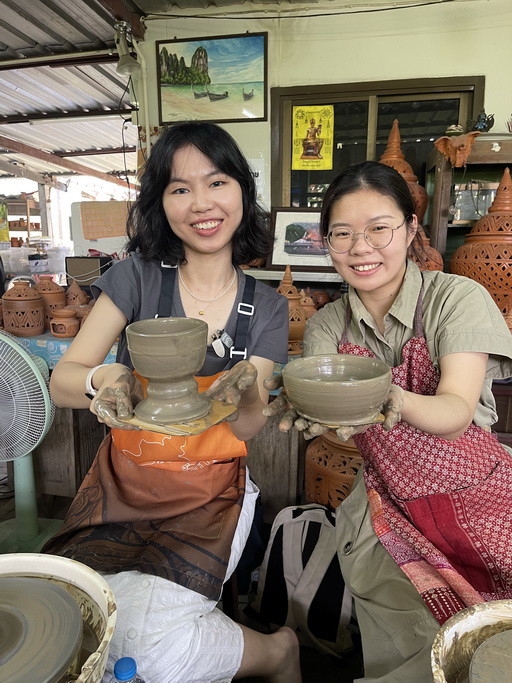
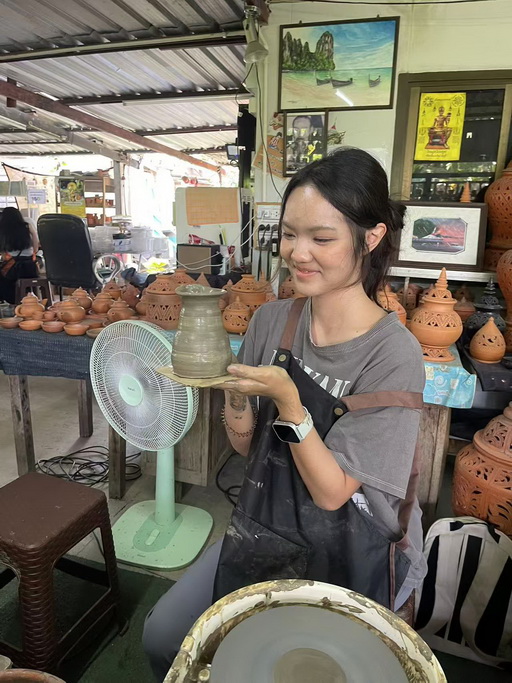
Koh Kret—Thailand’s historic center of Mon ceramic heritage—served as both inspiration and testbed. Balancing deep rural roots with strong cultural tourism potential, the island provided an ideal setting for interdisciplinary teams to align design solutions with real community needs. The residency delivered a triple value impact through three integrated practice modules.
-
Accessibility & Convenience Design
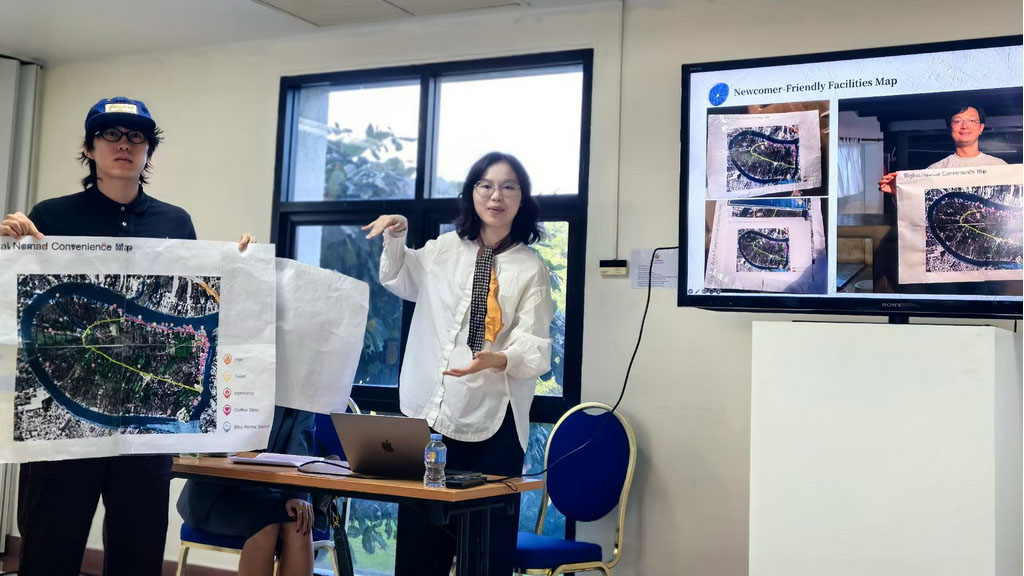
To enhance visitor flow and everyday usability, the team developed a multi-dimensional convenience design system, including dual-map platforms for cycling routes and commercial navigation, supported by clear signage and location markers. Visual, interactive ceramic-making modules were introduced to enrich experiential learning, while improvements to menu readability and eco-friendly waste-bin layouts strengthened both accessibility and environmental responsibility. The result: smoother visitor experiences without compromising Koh Kret’s fragile ecology.
- Cultural-Friendly Design
Cultural immersion lay at the heart of the residency. Through in-depth field research and interviews with local residents, the team uncovered cultural narratives and economic aspirations embedded within the community. A “Travel Passport” system was designed to connect key cultural checkpoints across the island, encouraging exploration and interaction. An original theme song, “Koh Kret,” was composed as an auditory cultural IP, while creative upgrades to homestays integrated local aesthetics into accommodation spaces—allowing culture to be experienced not just visited.
- Cultural & Creative Product Design and Economic Empowerment
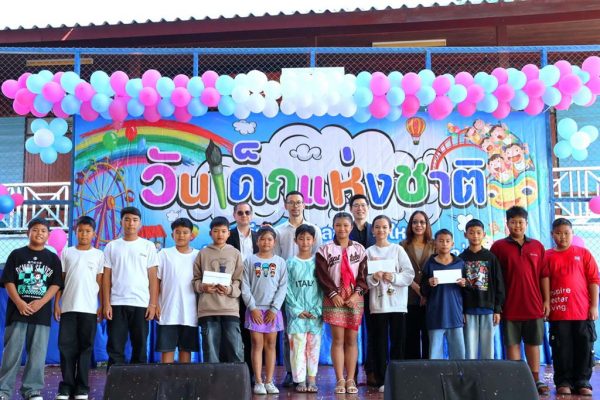
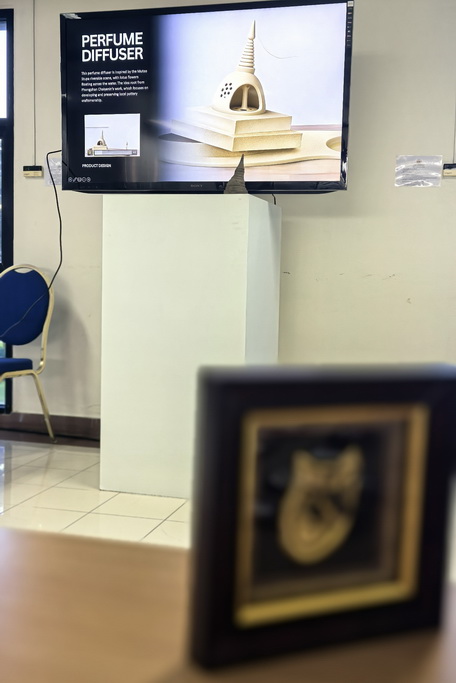
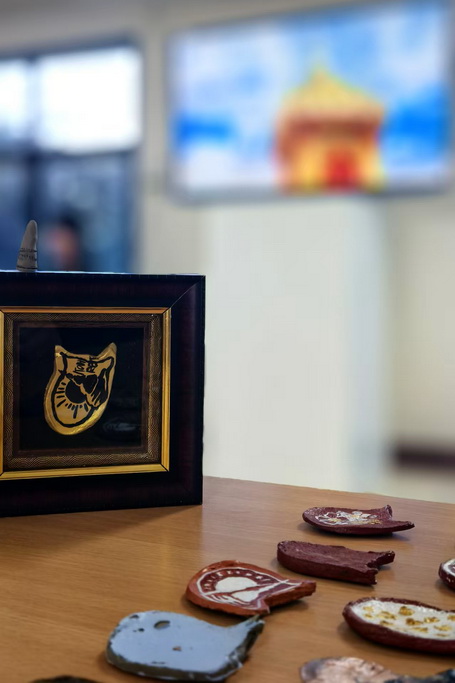
Building on Koh Kret’s ceramic legacy, the program established a culture-driven economic empowerment pathway. Customized maps, travel passports, site-specific stamps, and exclusive ceramic molds—developed using traditional kilns and locally sourced clay—enhanced product uniqueness and production efficiency. Art-therapy courses launched with local primary schools strengthened social impact, while an online–offline promotion matrix introduced locally rooted creative products to wider markets, supporting sustainable income generation.
Mentorship and a Shared Vision for Rural Futures
The residency was guided by three distinguished mentors: Professor Xiang Yong (Peking University), Professor Lee Chee Keng (National University of Singapore), and Professor Liu Guowei (Jilin University of the Arts). The mentors emphasized the importance of balancing heritage preservation, ecological protection, and livelihood creation, underscoring design as a powerful entry point for youth-led rural transformation.
A Living Model of China–Thailand Collaboration
This Koh Kret residency represents a concrete realization of the joint laboratory’s art-led rural development vision. Beyond generating implementation-ready design outcomes, the program established a collaborative model defined by university leadership, youth participation, and local co-creation. Looking ahead, Peking University and Assumption University of Thailand will deepen their partnership, promote the long-term operation of residency outcomes, and position Koh Kret as a living model of China–Thailand cooperation in rural revitalization—contributing to people-to-people exchange under the Belt and Road framework.
With the full cycle of field research and co-creation now complete, the first batch of outputs—including map systems and cultural product prototypes—has entered the implementation phase. Upcoming efforts will advance homestay renovations and themed music dissemination, ensuring that creativity continues to take root and sustain Koh Kret’s long-term development.
WRITER: ASSUMPTION UNIVERSITY OF THAILAND
More Information about Office of Graduate Studies, please visit:
Website: https://www.grad.au.edu/ , https://tcic.au.edu/
Facebook: https://www.facebook.com/abacgraduate/
Instagram: www.instagram.com/au_grad_studies
Twitter: https://twitter.com/AbacGrad
E-mail: grad@au.edu
Tel: (+66)-2783-2222 Ext.1360-61