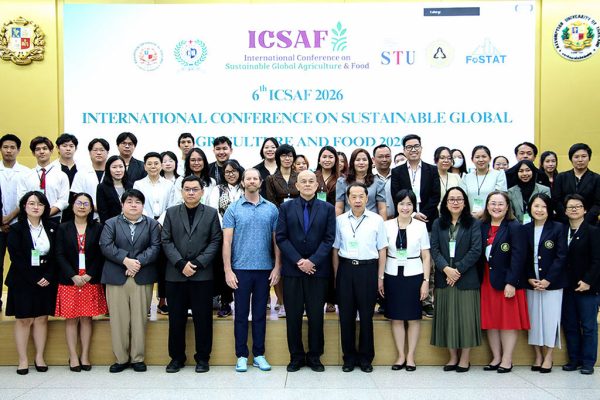





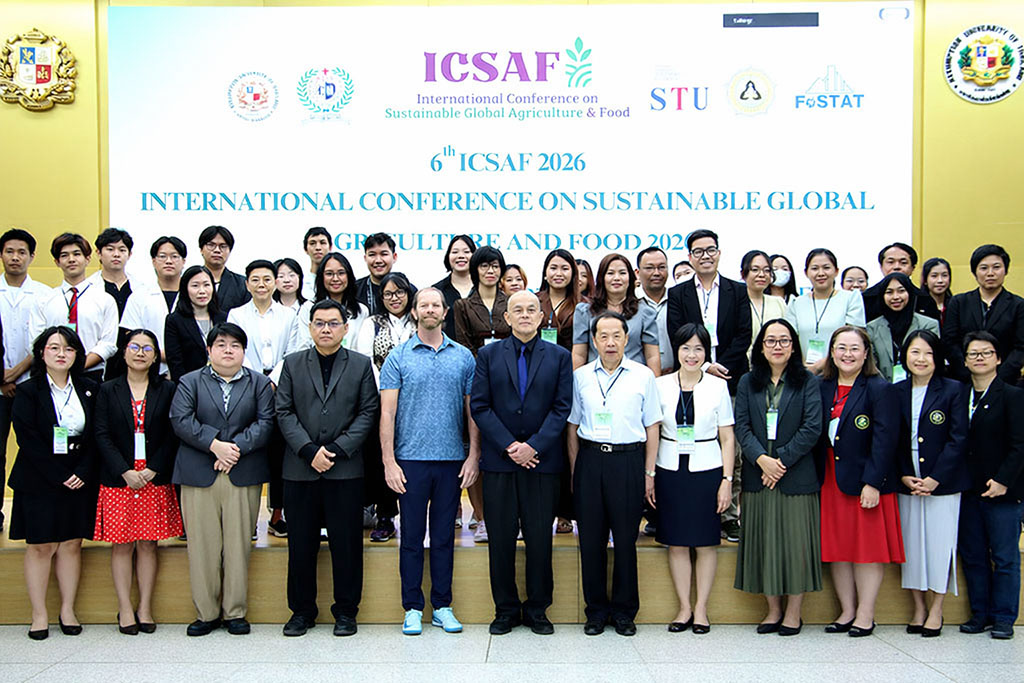
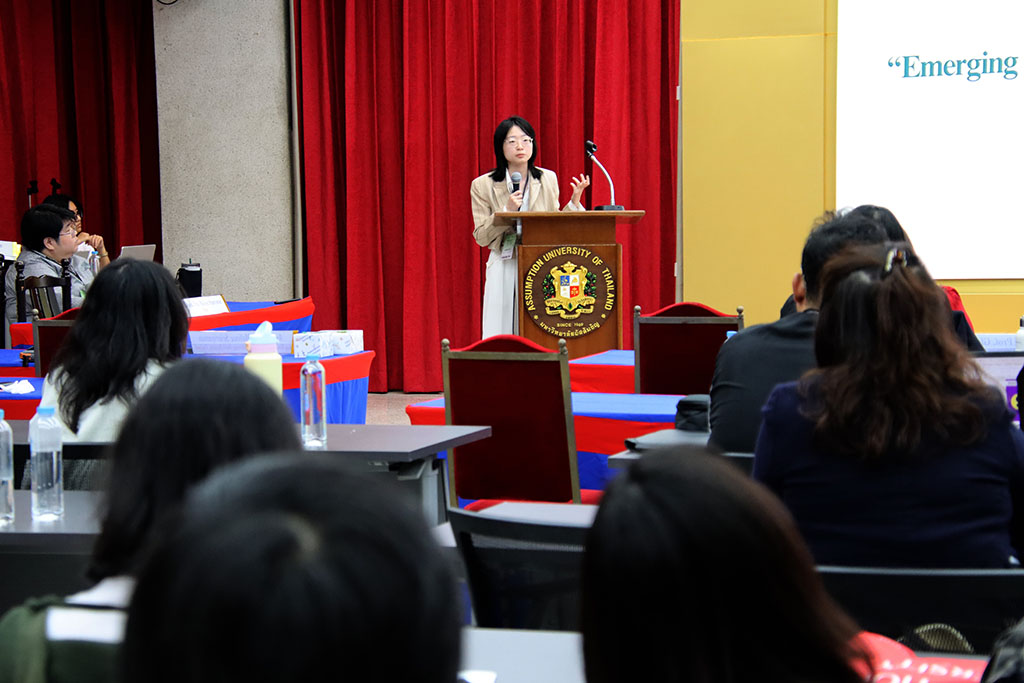
The Theophane Venard School of Food Biotechnology and Innovation at Assumption University of Thailand(AU) hosted the 6th International Conference on Sustainable Global Agriculture and Food 2026 (ICSAF 2026) on March 5–6, 2026, bringing together researchers and specialists to explore “Emerging Innovations and Trends in Food Biotechnology for a Sustainable Future” The conference was held at the Hua Mak Campus and simultaneously online via Zoom.
A Two-Day Platform for Food Biotechnology and Sustainability
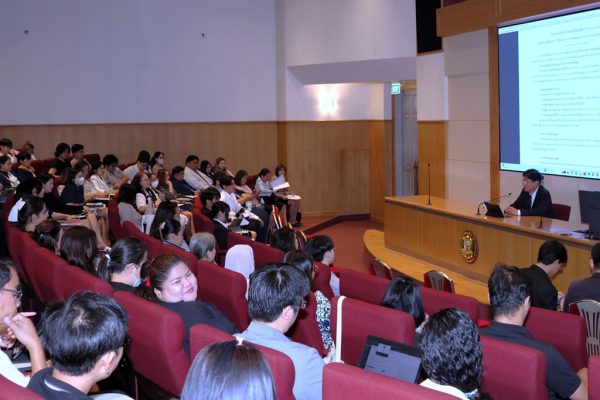
Running from 08.00–17.00, ICSAF 2026 featured plenary lectures, poster presentations, and parallel sessions designed to spotlight research with practical implications for sustainable agriculture, food systems, and human health.
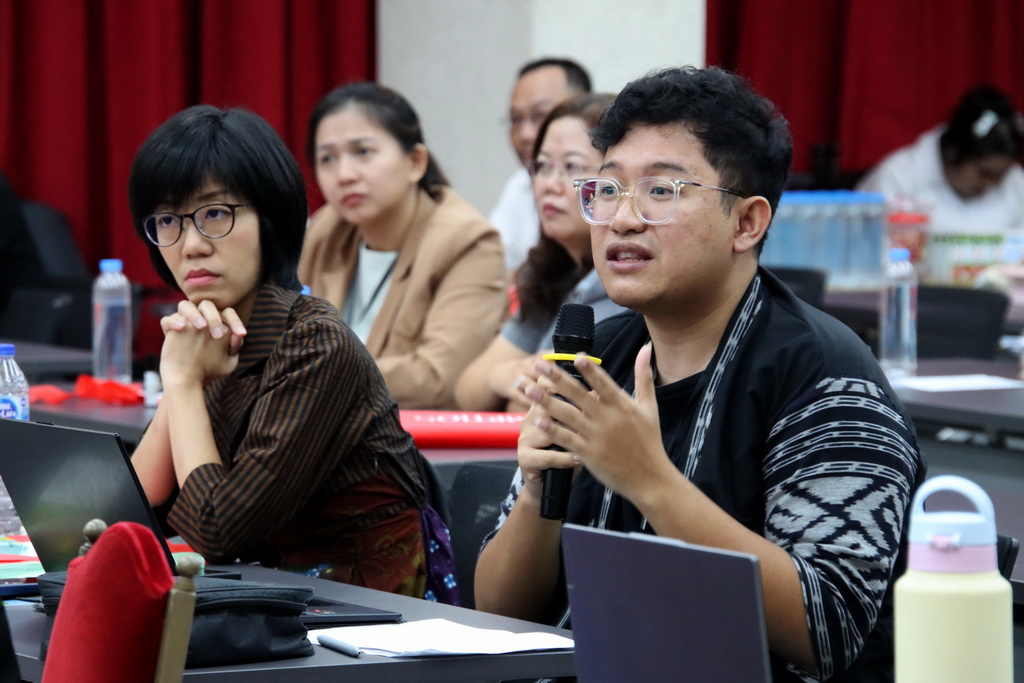
Plenary Highlights: From Novel Proteins to Circular Bioeconomy
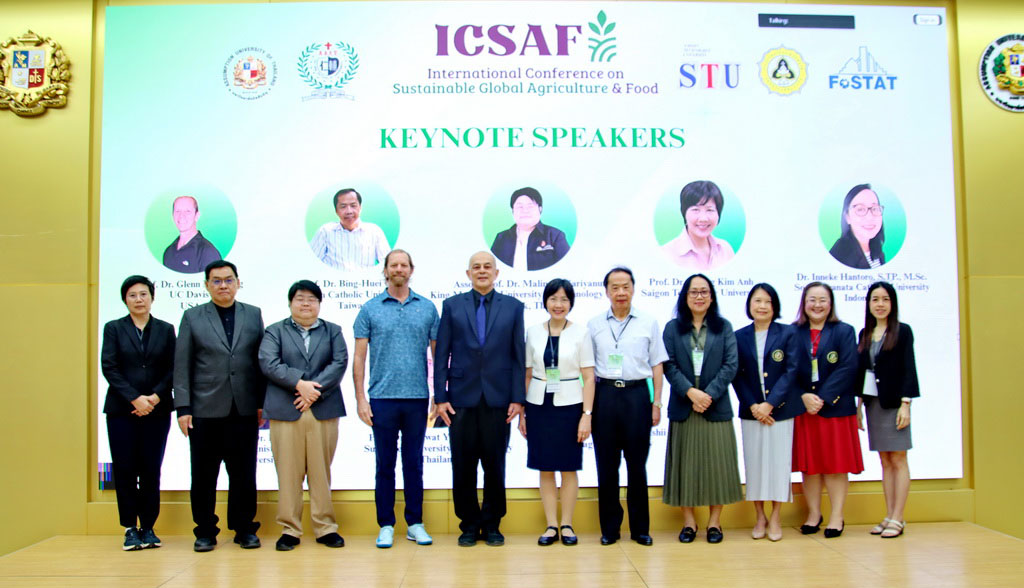
The plenary program opened with research on consumer-focused innovation, including healthier sausage formulations using germinated mung beans and transglutaminase presented by Prof. Kim Anh Hoang (Saigon Technology University, Vietnam).
Health-linked food innovation was also featured, with Prof. Bing-Huei Chen (Fu Jen Catholic University, Taiwan) presenting work on cinnamon leaf nanoemulsion and byproducts in Alzheimer’s disease rat models.
Sustainability systems thinking took the spotlight through sessions on lignocellulosic biomass valorization via biorefinery approaches (Assoc. Prof. Malinee Sriariyanun, King Mongkut’s University of Technology North Bangkok, Thailand) and engineering the circular bioeconomy (Asst. Prof. Dr. Pattaraporn Posoknistakul, Mahidol University, Thailand).
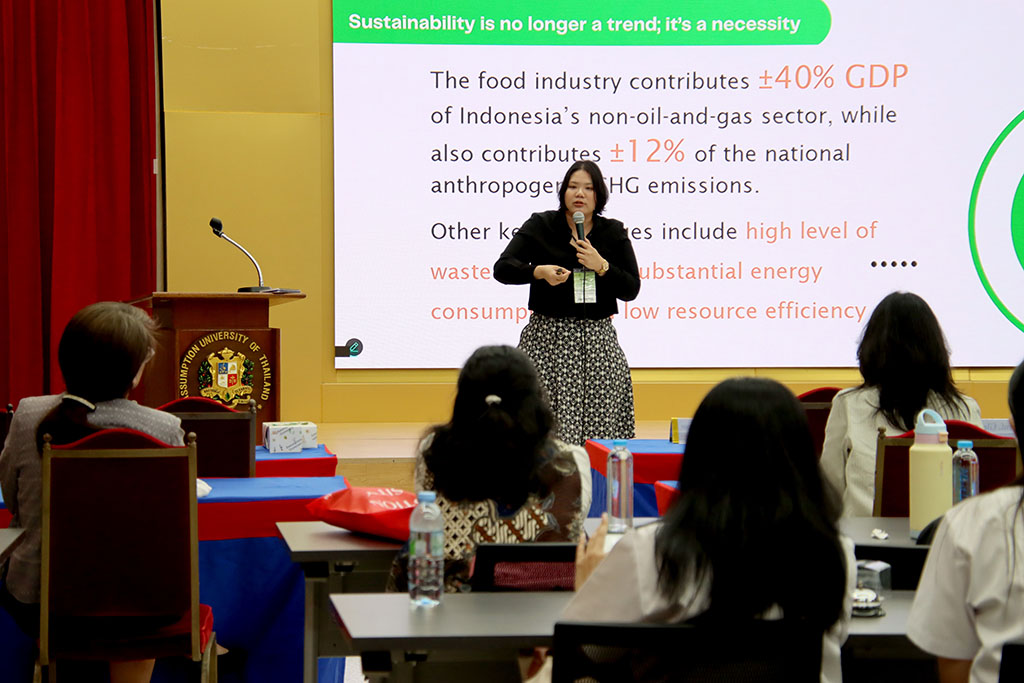
The agenda also addressed emerging risks and tools shaping Asia’s food future, including microplastics in Asian food systems (Dr. Inneke Hantoro, Soegijapranata Catholic University, Indonesia) and AI in agricultural and food technology (Prof. Glenn M. Young, University of California, Davis, USA). Online plenary talks Food safety and modernization of traditional processes followed, including starter culture technology to transform fish fermentation, presented by Prof. Jirawat Yongsawatdigul (Suranaree University of Technology, Thailand).
Expanded the program’s reach, including work on plant-inspired edible emulsions (Asst. Prof. Dr. Toya Ishii, Kagawa University, Japan) and thermotolerant yeasts for climate-resilient fermentation systems (Dr. Maduka Subodinee, University of Ruhuna, Sri Lanka).
Posters, Parallel Sessions, and Closing Awards
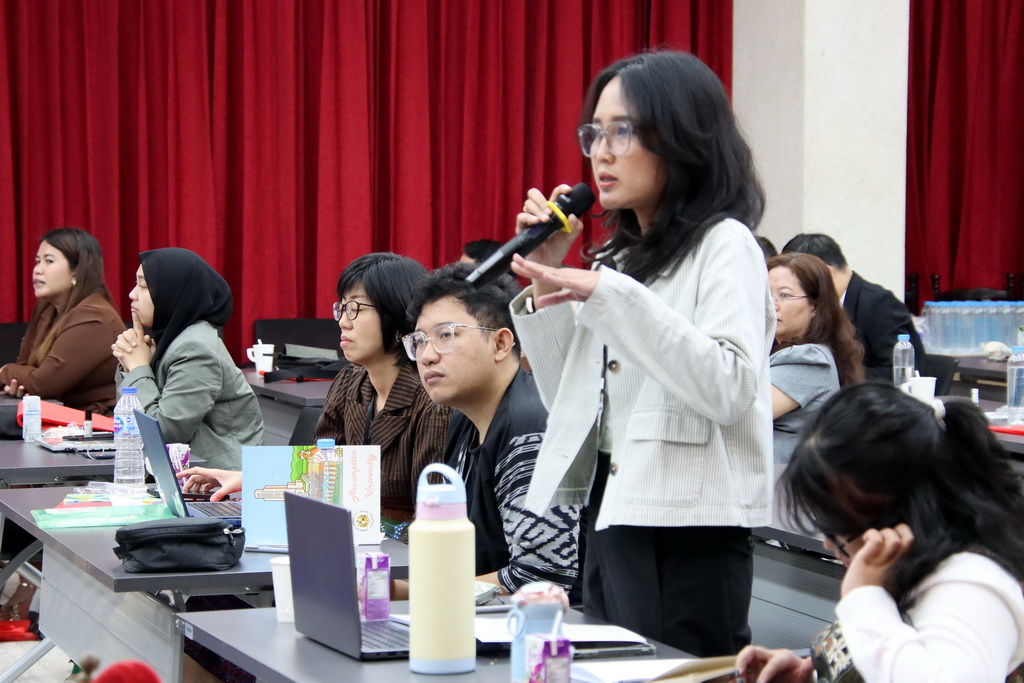
ICSAF 2026 included a poster session and parallel sessions followed by an Awards and Closing Ceremony.
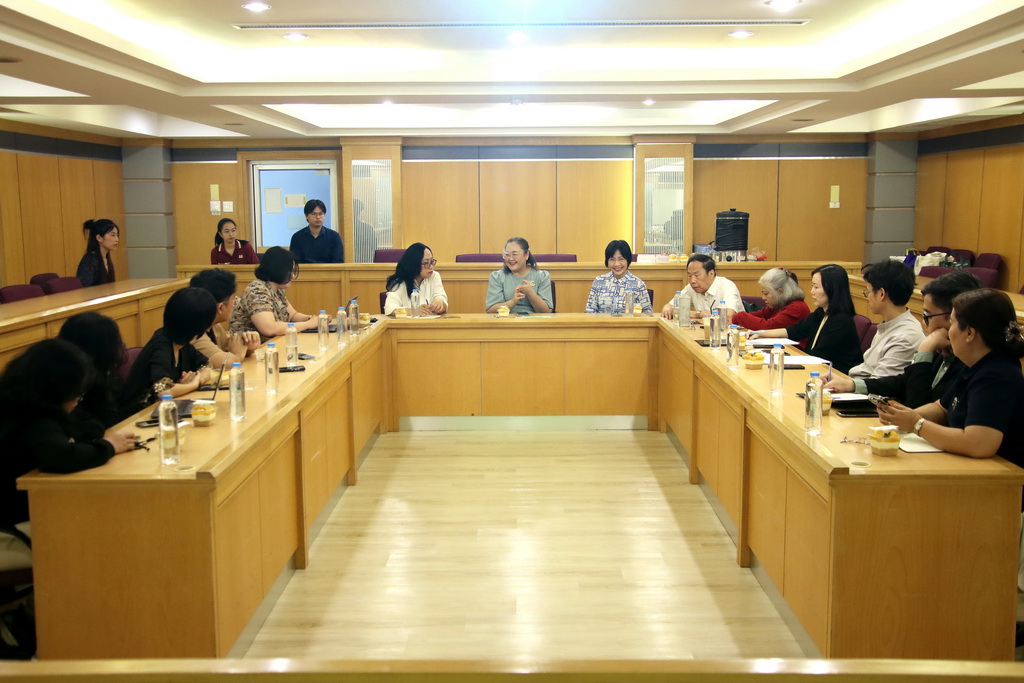
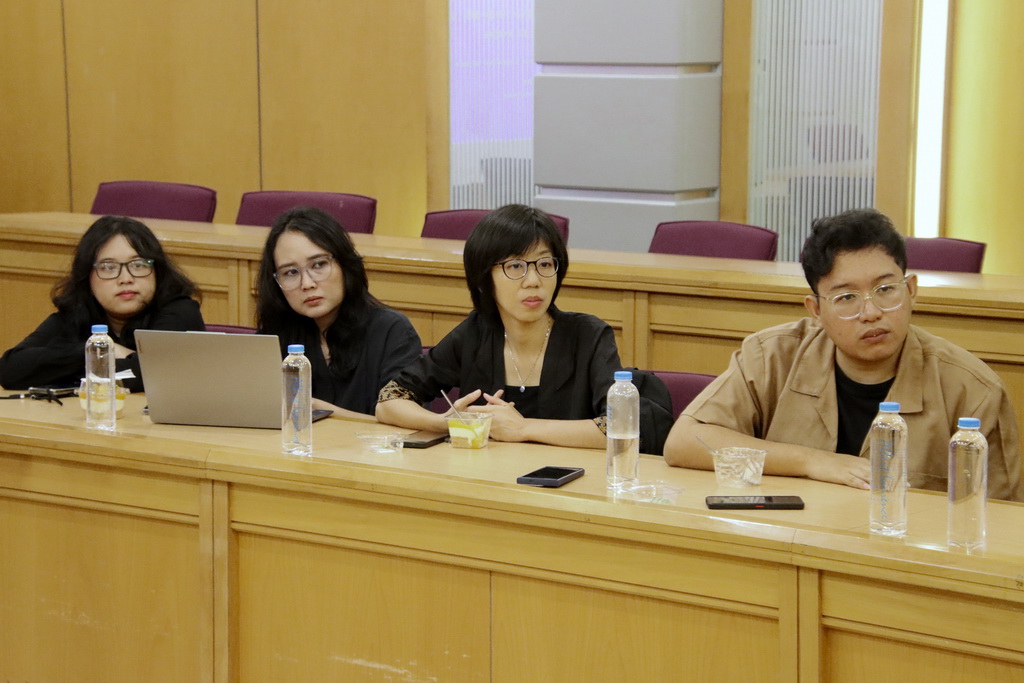
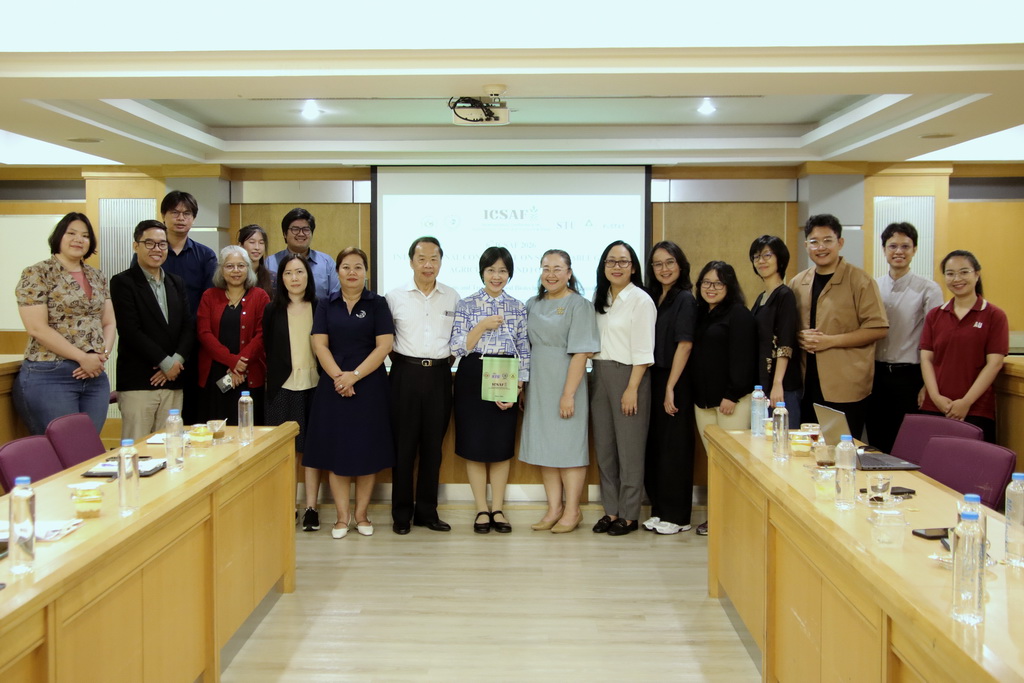
Day Two: Advisory Board Committee Meeting
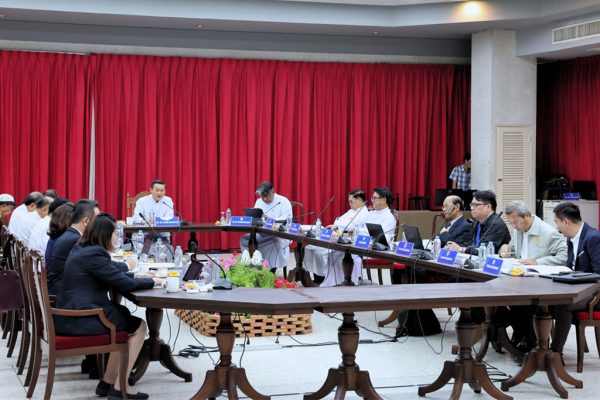
On March 6, 2026, the program continued with an Advisory Board Committee Meeting followed by a coffee break.
As ICSAF 2026 concluded, the message was clear: the future of food will be shaped by science that is not only innovative, but responsible. By convening researchers working on safer fermentation, smarter processing, circular bioeconomy pathways, and emerging challenges like microplastics, Assumption University of Thailand reinforced its role as a meeting point where ideas move from laboratory insight to real-world impact—supporting a more resilient, sustainable food system for Thailand, the ASEAN community, and beyond.
WRITER: THE AU LIBRARY
More Information about Theophane Venard School of Food Biotechnology and Innovation, please visit:
Website: https://foodbiotech.au.edu/
Facebook: https://www.facebook.com/BiotABAC/
Instagram: https://www.instagram.com/biot_abac/
Twitter: https://twitter.com/abacbiotech?lang=en
E-mail: biotech@au.edu
Tel: (+66)-2783-2222; Ext. 3796, 3794, 3793