



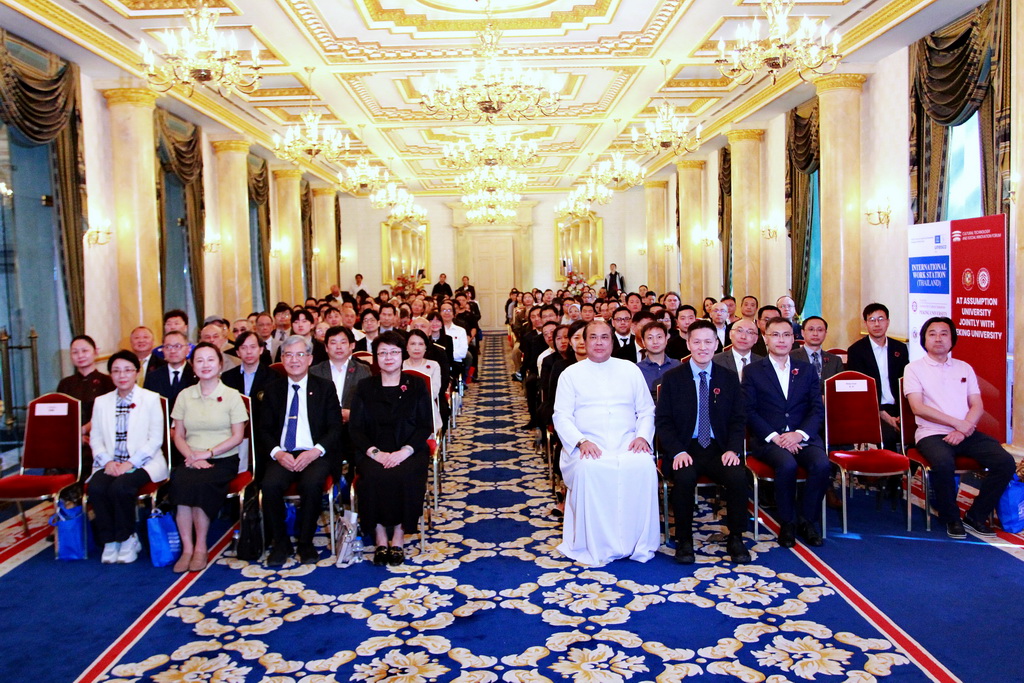
On January 17, 2026 Recently, the Cultural Technology and Social Innovation Lab, jointly established by Assumption University of Thailand and Peking University, was officially inaugurated. This collaboration marks a significant upgrade in China–Thailand higher education cooperation—from a primary focus on talent cultivation to a full-chain model encompassing research, innovation, and application. Centered on the integration of cultural technology and social innovation, the Lab aims to build an international, interdisciplinary research platform and to offer “China–Thailand solutions” for regional and global sustainable development.
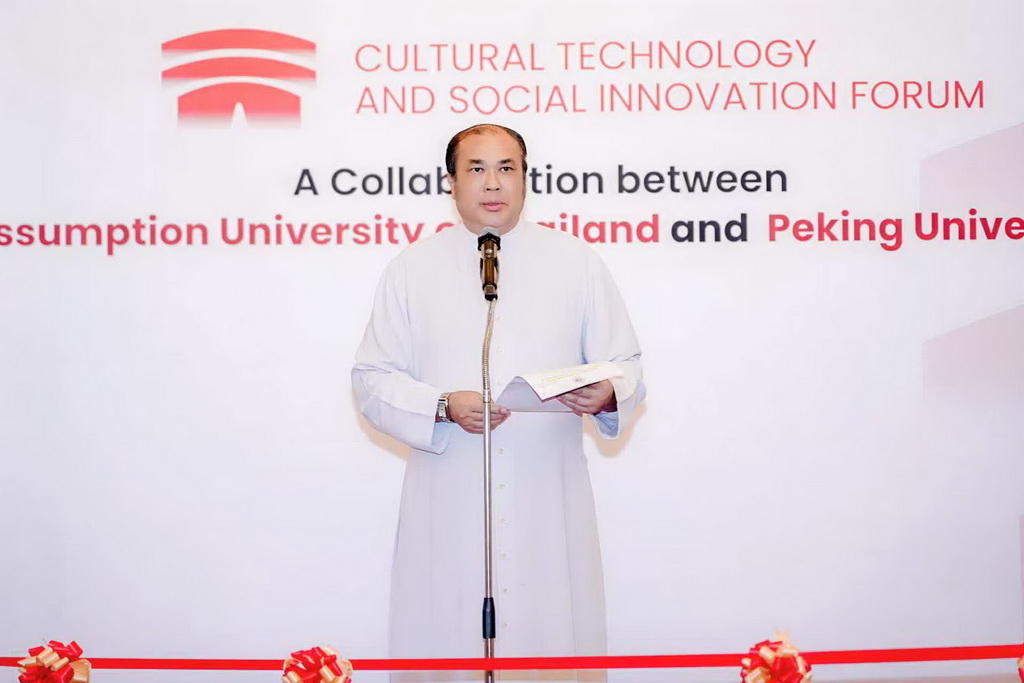
At the unveiling ceremony, Rev. Bro. Sirichai Fonseka, f.s.g., Ph. D., President of Assumption University of Thailand, stated that the Lab represents a strategic initiative by both universities in response to global innovation trends. By integrating their respective strengths in cultural studies, digital technologies, and social governance, the Lab aims to transcend national and disciplinary boundaries, build a high-level hub for academic exchange and research collaboration, and promote the mutual empowerment of talent development and research outcomes between the two countries.
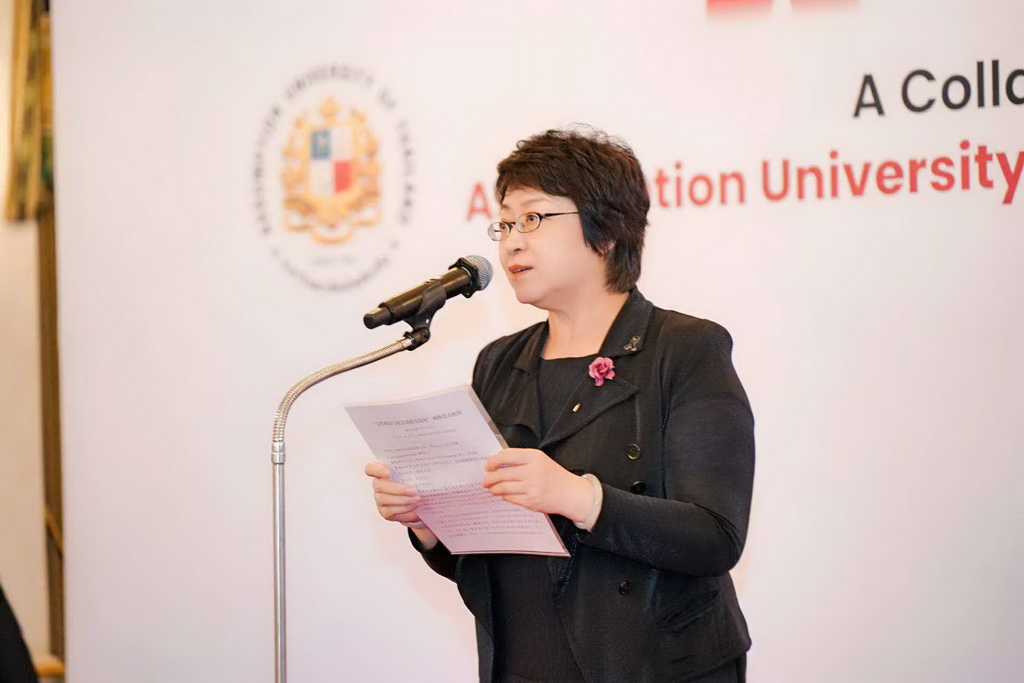
Ms. Xu Lan, Education Counsellor of the Embassy of the People’s Republic of China in the Kingdom of Thailand, noted in her remarks that the establishment of the Lab marks an important milestone in China–Thailand people-to-people exchanges and educational cooperation. She emphasized that the Lab not only provides a high-level platform for academic exchange between faculty and students of both universities, but will also advance academic collaboration and industry linkage under the Belt and Road framework, enabling the outcomes of China–Thailand cooperation to benefit a wider region and inject substantive momentum into the deepening of bilateral relations.
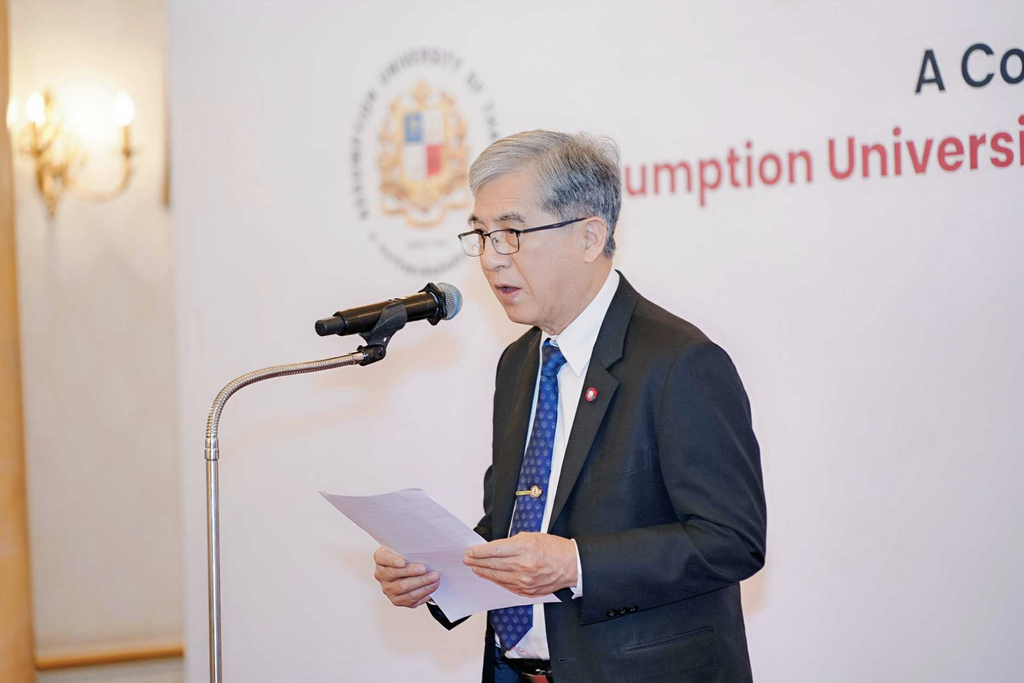
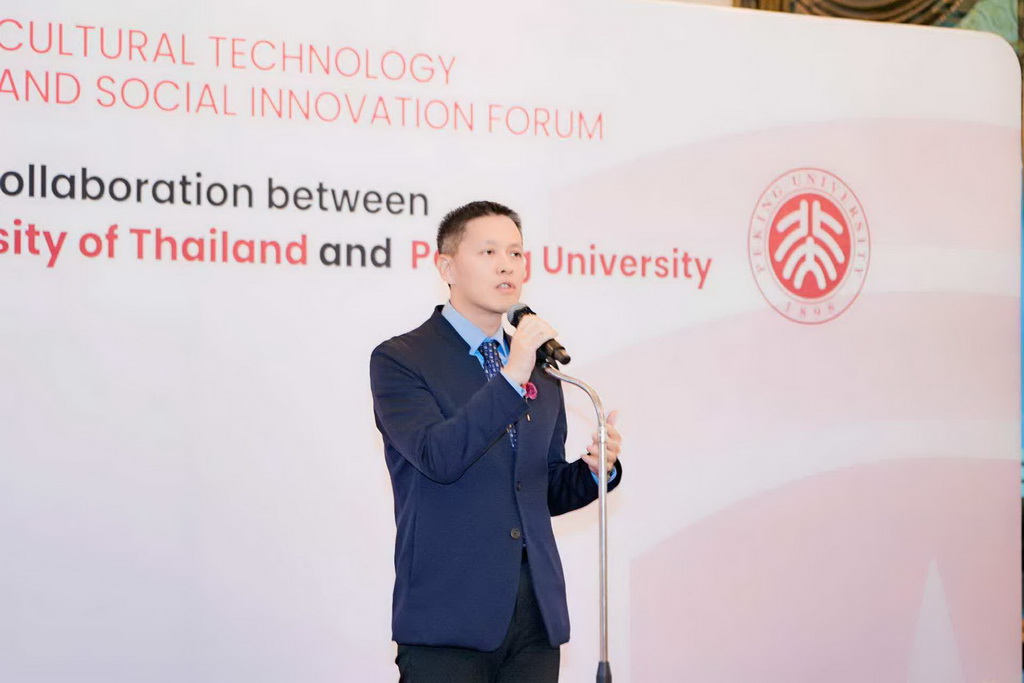
Assoc. Prof. Dr. Kittichai Triratanasirichai, Vice Chairperson of the Commission on Higher Education under Thailand’s Ministry of Higher Education, Science, Research and Innovation (MHESI), stated that the establishment of the Cultural Technology and Social Innovation Lab aligns closely with Thailand’s overall strategy for higher education and innovation development. He highlighted it as an important practice in deepening international higher education cooperation and in promoting the translation of research outcomes into tangible social impact.
Prof. Xiang Yong, Dean of the Institute for Cultural Industries at Peking University, emphasized that the Lab will focus on four core areas—art-led rural revitalization, human–machine co-creation, immersive cultural tourism, and smart healthcare. Leveraging the global collaborative network of the UNESCO Chair on Creativity and Sustainable Development in Rural Areas, the Lab will carry out joint research initiatives, collaborative talent cultivation, and industry-oriented project practices. Looking ahead, it will prioritize exploring pathways for digital technologies to empower cultural heritage preservation and for creative design to support rural revitalization, promoting the translation of research outcomes from the laboratory into real-world applications and achieving the integration of academic value with social impact.
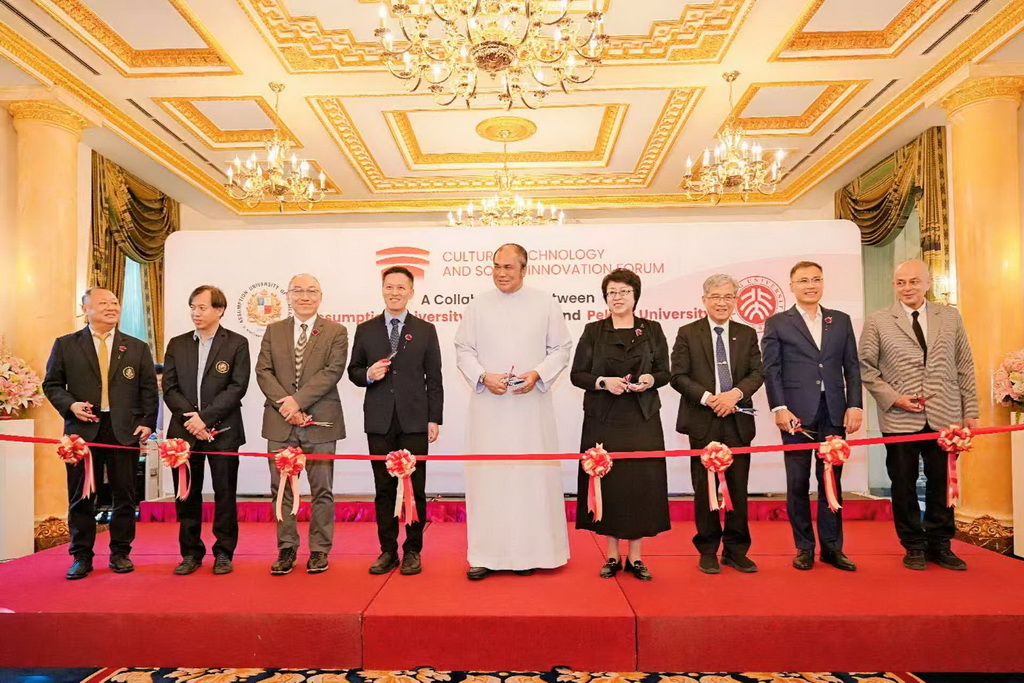
At the ceremony, Asst. Prof. Dr. Kitti Phothikitti, Vice President for Educational Innovation and Graduate Studies , and Prof. Xiang Yong jointly presented certificates to the Lab’s expert team. Distinguished guests, including Assoc. Prof. Dr. Kittichai Triratanasirichai, Vice Chairperson of the Commission on Higher Education under Thailand’s Ministry of Higher Education, Science, Research and Innovation, participated in the unveiling and ribbon-cutting ceremony, marking the Lab’s official transition into full operation.
At the same time, AU signed memoranda of understanding with Peking University, along with several Chinese universities and enterprises, establishing a comprehensive collaboration framework characterized by university leadership, industry empowerment, and integrated academia–industry–research cooperation, spanning key areas such as academic research, results commercialization, and industrial collaboration.
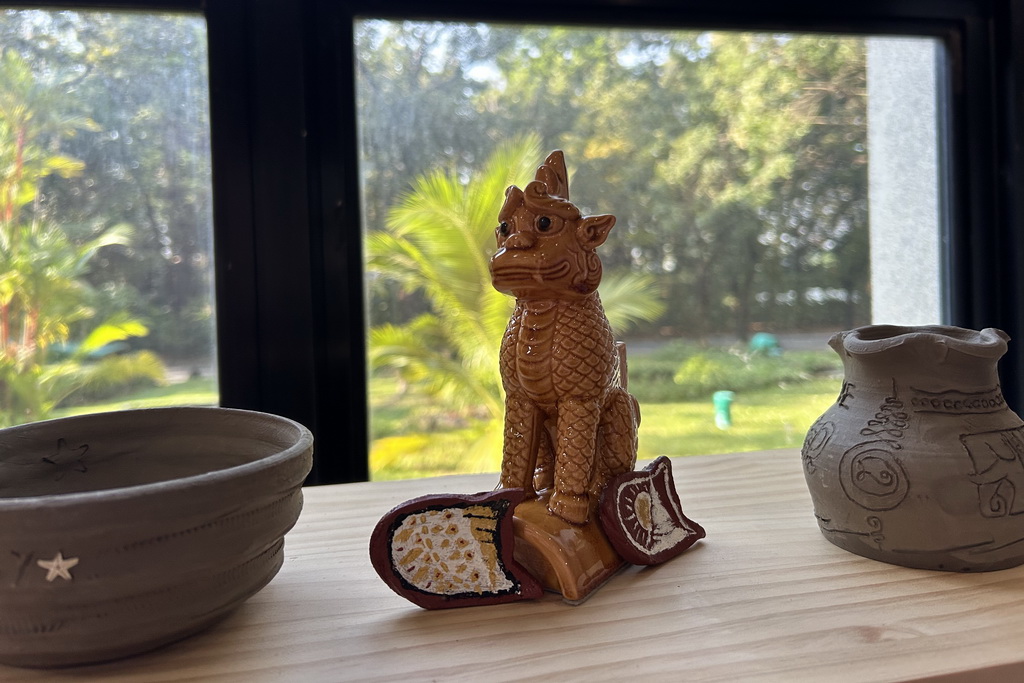
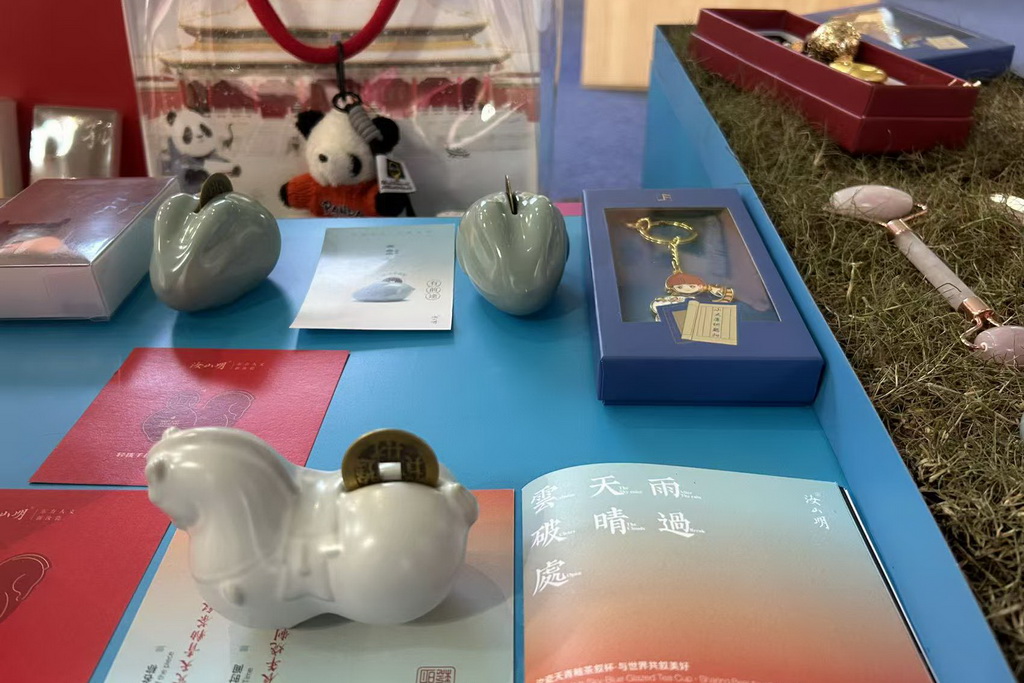
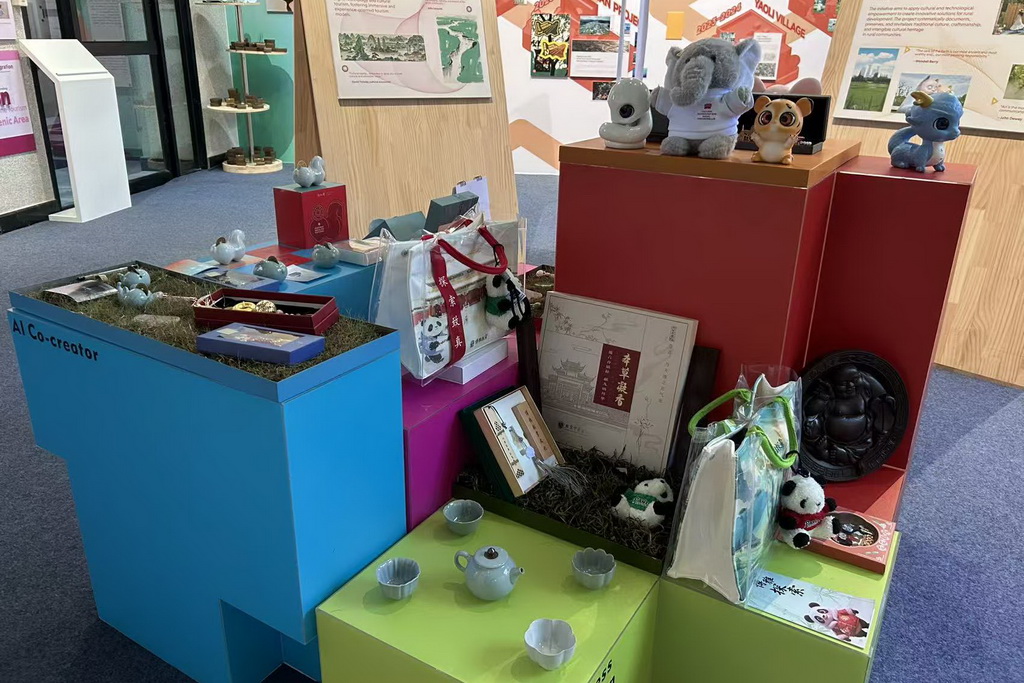
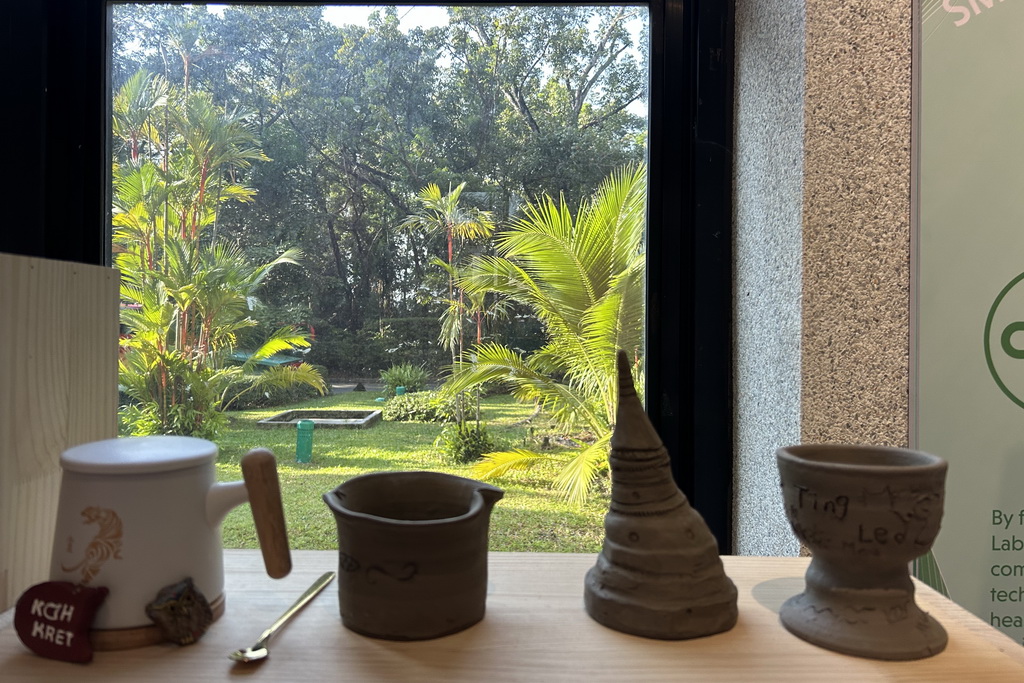
As a flagship model of China–Thailand university collaboration, the Cultural Technology and Social Innovation Lab will continue to deepen bilateral cooperation, promote the sharing of academic resources and two-way talent mobility, and generate high-quality outcomes in the fields of cultural–technology integration and social innovation. Through these efforts, the Lab aims to advance the internationalization of higher education in both countries and contribute insight and momentum to the China–Thailand community with a shared future, as well as to global sustainable development.
WRITER: ASSUMPTION UNIVERSITY OF THAILAND
More Information about Office of Graduate Studies, please visit:
Website: https://www.grad.au.edu/ , https://tcic.au.edu/
Facebook: https://www.facebook.com/abacgraduate/
Instagram: www.instagram.com/au_grad_studies
Twitter: https://twitter.com/AbacGrad
E-mail: grad@au.edu
Tel: (+66)-2783-2222 Ext.1360-61